
Best Coffee Beans for Moka Pot (2026): Italian Classics, Bold Blends, and a Dial-In Guide
Editorial standards: this guide compares roaster descriptions, published tasting notes, and owner and reviewer reports, and uses established stovetop extraction principles. Grind, ratio, and heat guidance are starting points that vary with pot size and stove. CoffeeGearHub does not claim hands-on testing where it has not occurred.
At a glance
Moka pot magnifies roast and extraction choices
Eight coffees that suit the moka pot, a comparison table, picks by drink style, why bean choice matters more in a moka, roast level and Arabica versus Robusta, origins, a grind and dial-in guide, ratios by pot size, what to avoid, brewing tips, and troubleshooting.
Editorial analysis
Choose sweet, chocolatey medium roasts and control the heat
A moka pot pushes near-boiling water through a bed of coffee using steam pressure, producing a strong, concentrated brew. That intensity rewards coffees with chocolate, caramel, and nutty sweetness and punishes harsh, very dark, or very light roasts.
Medium to medium-dark Italian-style blends are the most reliable choices, often with a share of Robusta for body. Grind slightly finer than drip, never tamp, and keep the heat moderate to avoid bitterness.
The 30-Second Answer
For most moka pot drinkers, Lavazza Super Crema is the crowd-pleasing all-rounder, and illy Classico gives the smoothest, lowest-bitterness black cup. Lavazza Crema e Gusto suits classic Italian-style moka with sugar or milk, while Kimbo Espresso Napoletano and Segafredo Intermezzo deliver bold, strong cups.
For milk drinks, Peet’s Espresso Forte is a rich dark option, and Café Bustelo is the convenient pre-ground choice for Cuban-style coffee.
Compare current options
Start with these representative choices
Three starting points: an all-round blend, a smooth low-bitterness option, and a bold traditional blend.
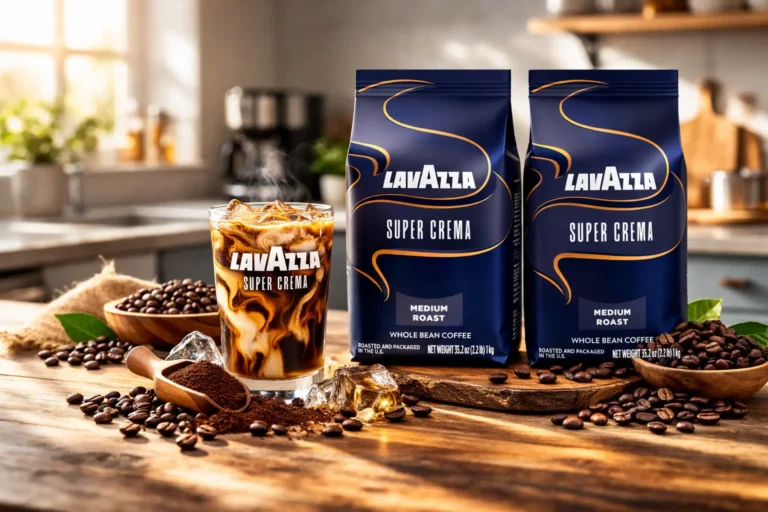
Lavazza Super Crema — All-round
A medium Arabica and Robusta blend with hazelnut, brown sugar, and the body to stand up to milk.
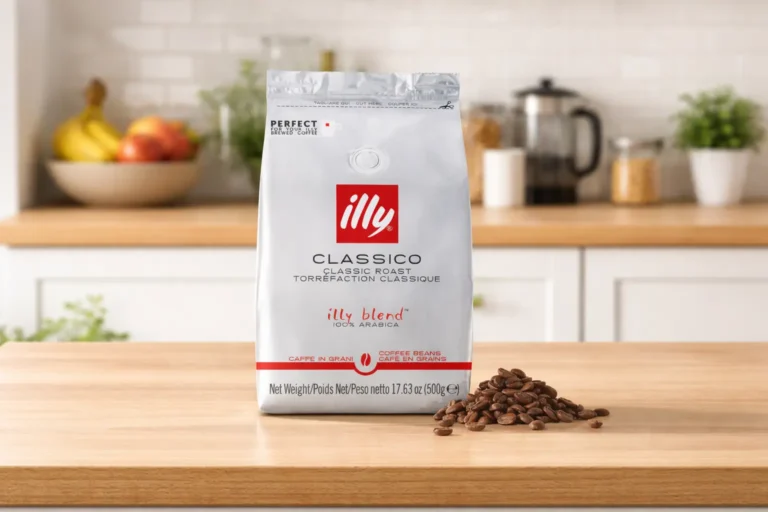
illy Classico — Smooth
A 100 percent Arabica medium roast with caramel sweetness and the lowest bitterness risk here.
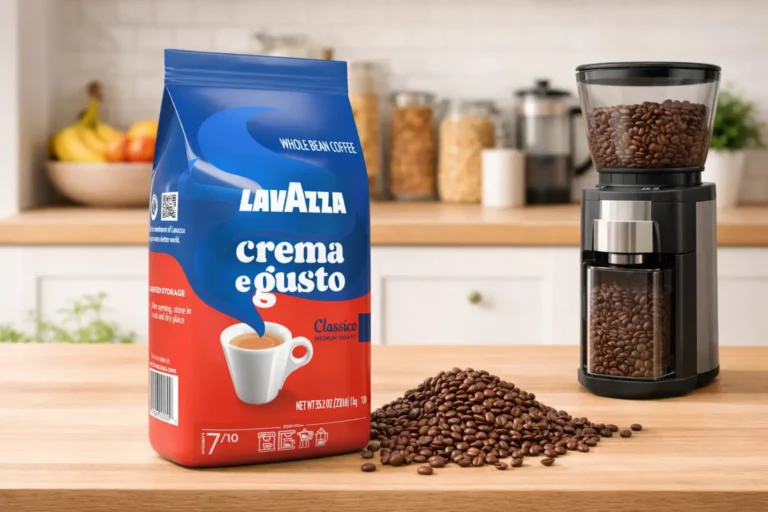
Lavazza Crema e Gusto — Classic
A traditional Italian-style blend with cocoa, spice, and heavy body for sweetened moka.
Affiliate disclosure: Amazon links may earn CoffeeGearHub a commission at no additional cost to you. Prices and availability can change.
Why Bean Choice Matters More in a Moka Pot
A moka pot heats water in its base until steam pressure pushes it up through a basket of coffee and into the top chamber. The water is close to boiling and the coffee is fairly fine, so extraction is fast and intense. The result is a strong, concentrated brew that sits between drip coffee and espresso, with heavy body and pronounced roast flavors.
That intensity magnifies whatever is in the bean. Sweet, chocolatey, nutty coffees taste rich and rounded, while harsh dark roasts turn bitter and ashy and very light roasts can taste sharp. Choosing beans that suit the method, mainly medium to medium-dark blends, matters more than almost any brewing tweak.
Lavazza Super Crema: Best All-Round Moka Coffee
Lavazza Super Crema is a classic moka crowd-pleaser. This medium roast blends Arabica with Robusta for big body and flavors of hazelnut, brown sugar, and cocoa, and it stays bold when you add milk. It produces a rich, espresso-style cup without needing perfect technique.
It suits moka lattes and strong black cups alike, and its wide availability makes it easy to restock. Grind medium-fine, fill the basket level without tamping, and brew over medium-low heat. Check for a recent roast or production date, since freshness varies by seller.
illy Classico: Best Smooth, Low-Bitterness Cup
illy Classico is a 100 percent Arabica medium roast with caramel sweetness, gentle floral notes, and soft cocoa. It produces the cleanest, smoothest moka cup in this guide and carries the lowest risk of bitterness, which makes it ideal for black moka drinkers.
Its pressurized tins help preserve freshness, which is useful if you buy from a supermarket. Because it lacks Robusta, it has less body and foam than Italian blends, so drinkers who want a strong, heavy cup may prefer Super Crema or Crema e Gusto.
Lavazza Crema e Gusto: Best Classic Italian-Style Moka
Lavazza Crema e Gusto is a traditional Italian moka coffee: an Arabica and Robusta blend with cocoa, spice, and heavy body. It holds its character in milk and stands up to sugar, giving the familiar Italian café-style moka many people grew up with.
It is a good choice for sweetened moka, cappuccino-style drinks, and Cuban-style coffee made with whole beans. Its stronger, spicier profile can taste intense black, so brew it gently and stop the pot early to keep bitterness in check.
Kimbo Espresso Napoletano: Best for Short, Intense Cups
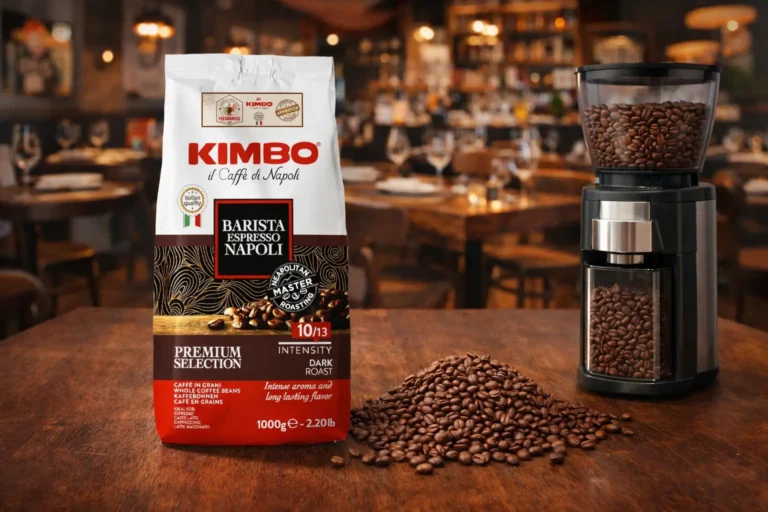
Kimbo Espresso Napoletano is a medium-dark Neapolitan-style blend with bold cocoa, toasted notes, and heavy body. It makes short, intense moka cups in the southern Italian tradition and suits drinkers who want strength above all.
Its darker roast extracts quickly, so keep the heat low and remove the pot as soon as the flow turns pale. A slightly coarser grind than usual also helps prevent harshness. It pairs well with a little sugar or a splash of milk, and its heavy body makes it a strong base for a quick cappuccino-style drink when you want café intensity at home.
Segafredo Intermezzo: Best Bold Budget Option
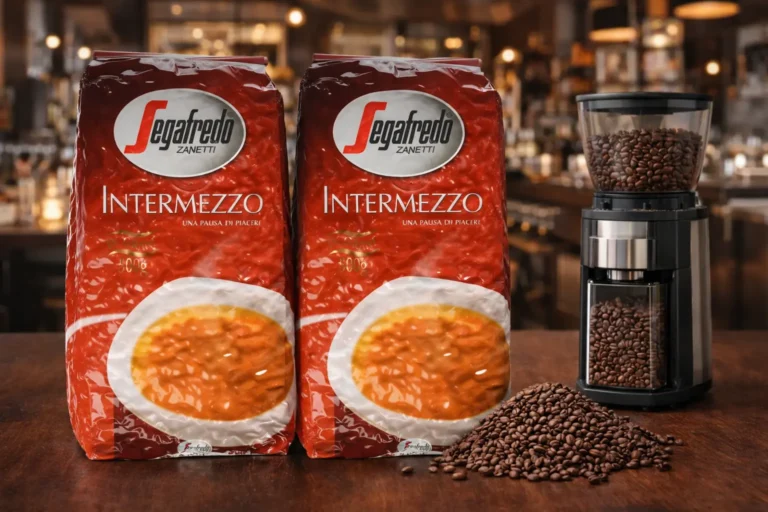
Segafredo Intermezzo is a medium-dark blend with spice, cocoa, and a strong finish. It is a budget-friendly moka staple when you want a bold cup without fuss, and it performs consistently for daily brewing. Its flavor leans toward the darker, roastier end of Italian coffee, so it suits drinkers who like a strong cup with a lingering finish rather than bright or fruity notes.
Like other darker blends, it benefits from moderate heat and an early stop. Its value makes it a practical choice for households that brew a large moka pot every day or for anyone stocking a second pot at work. Grind it a touch coarser than lighter blends and use the hot-water start to keep the finish smooth.
Peet’s Espresso Forte: Best Dark Roast for Moka Lattes
Peet’s Espresso Forte is a dark roast with chocolate, hazelnut, and a stout body that cuts through milk, making it an excellent choice for moka lattes and cappuccinos. Peet’s sells it directly, so it is usually roasted to order and arrives fresh.
Dark roasts need gentle handling in a moka pot. Brew on medium-low heat, start with hot water in the base to shorten the time the coffee sits over the flame, and remove the pot as soon as the coffee begins to sputter. A slightly coarser grind also helps keep the cup rich rather than burnt.
Café Bustelo: Best Pre-Ground Option for Cuban-Style Coffee
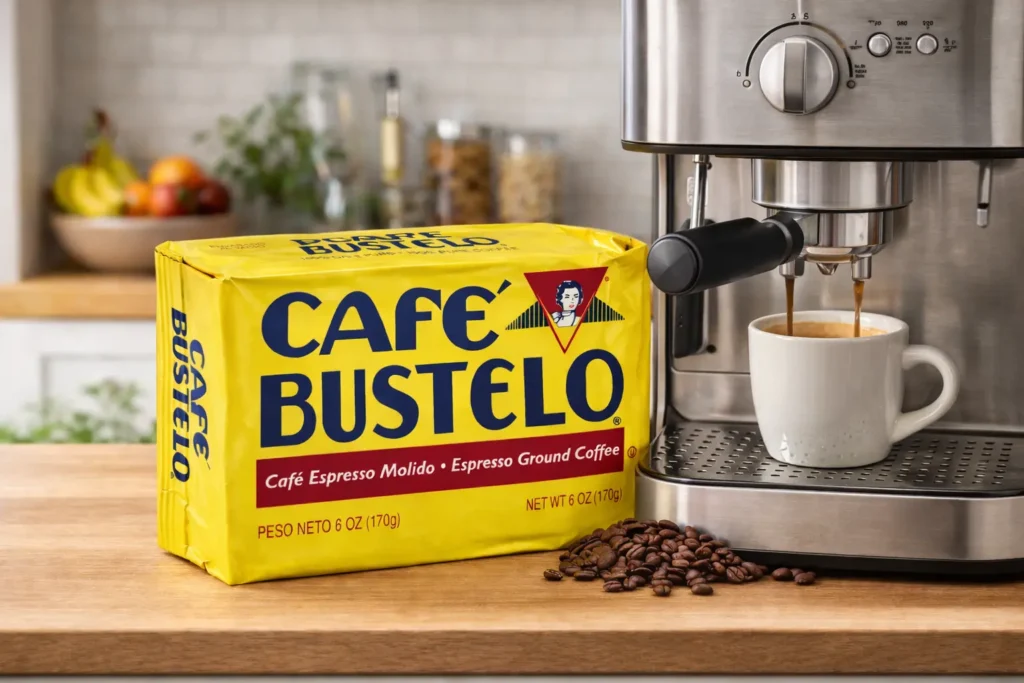
Café Bustelo Espresso is a dark, pre-ground coffee sold in a brick, and it is the convenient classic for Cuban-style moka coffee, sweetened with whipped sugar to make a cafecito or shared as a colada. Its bold, roasty profile is built for sugar and milk.
Because it is pre-ground fairly fine, use medium-low heat, avoid packing the basket, and stop early to prevent bitterness. Whole-bean coffee will always taste fresher, but Bustelo is hard to beat for convenience and traditional flavor. Store the opened brick sealed in an airtight container, since pre-ground coffee loses aroma quickly once exposed to air.
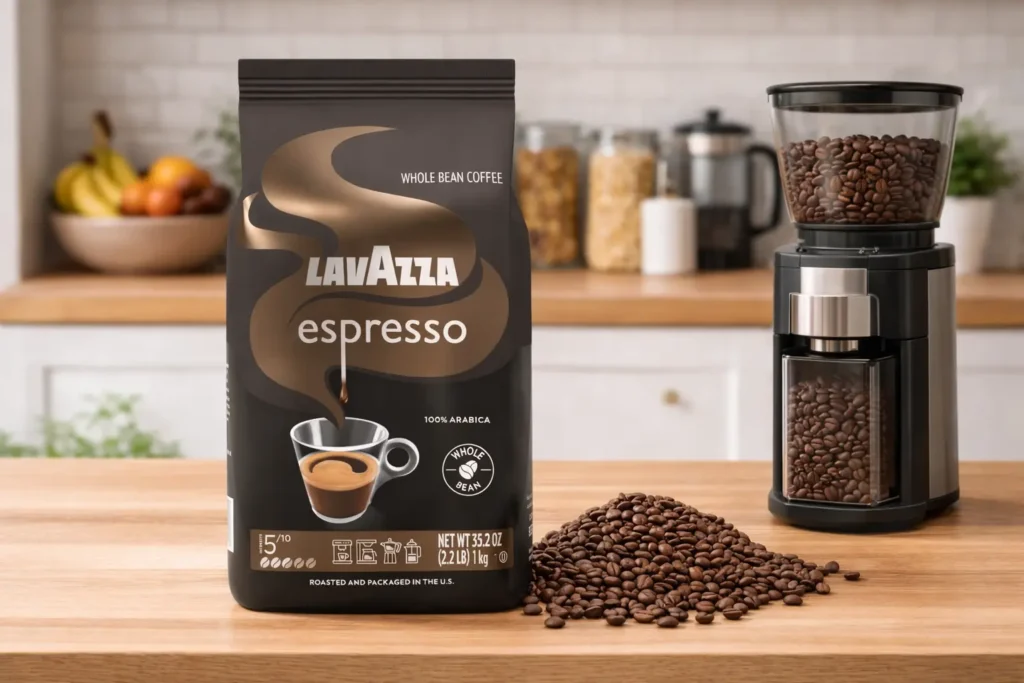
Lavazza Espresso: Best Approachable Black Moka
Lavazza Espresso is a 100 percent Arabica medium roast with a sweet, aromatic profile and a clean finish. It makes bold black moka without harsh edges, sitting between the smoothness of illy Classico and the body of Lavazza’s Robusta blends. Its balanced profile makes it forgiving of small changes in grind and heat, which helps when you are still learning your stove and pot.
It is an approachable all-rounder for drinkers who want strength without bitterness. Brew it with a medium-fine grind over medium-low heat, and enjoy it black or with a little milk. If it tastes too mild, grind one step finer before switching to a stronger blend, since the coffee often has more to give than a first brew suggests.
Moka Pot Coffees Compared
| Coffee | Roast | Flavor | Best for |
|---|---|---|---|
| Lavazza Super Crema | Medium, Arabica and Robusta | Hazelnut, brown sugar, cocoa | Moka lattes, bold cups |
| illy Classico | Medium, 100% Arabica | Caramel, soft cocoa | Smooth black moka |
| Lavazza Crema e Gusto | Medium, Arabica and Robusta | Cocoa, spice, heavy body | Classic Italian, sweetened |
| Kimbo Espresso Napoletano | Medium-dark | Bold cocoa, toasted | Short, intense cups |
| Segafredo Intermezzo | Medium-dark | Spice, cocoa | Bold daily, budget |
| Peet’s Espresso Forte | Dark | Chocolate, hazelnut | Milk drinks |
| Café Bustelo | Dark, pre-ground | Bold, roasty | Cuban-style coffee |
| Lavazza Espresso | Medium, 100% Arabica | Sweet, aromatic | Approachable black moka |
Choosing Beans by Drink Style
For moka lattes and cappuccinos, choose coffees with body and chocolate notes that stay bold in milk: Lavazza Super Crema, Crema e Gusto, or Peet’s Espresso Forte. For black moka, choose smoother coffees with sweetness and lower bitterness, such as illy Classico or Lavazza Espresso, and brew gently.
For Cuban-style coffee, a dark, bold coffee like Café Bustelo or Crema e Gusto stands up to the sugar whipped into the first drops of brew. For short, strong Neapolitan-style cups, Kimbo Espresso Napoletano or Segafredo Intermezzo give the intensity that style calls for.
Best Roast Level for Moka Pot
Medium and medium-dark roasts are the sweet spot. They extract readily under moka pressure and bring the chocolate, caramel, and nutty flavors the method highlights. Very dark, oily roasts extract too easily and often taste bitter, ashy, or burnt, especially if the heat is high or the brew runs long.
Light roasts resist extraction and can taste sharp, sour, or thin in a moka pot, though careful brewing with a slightly finer grind and gentle heat can work. If you love light roasts, pour-over or AeroPress usually shows them better. Our roast levels guide explains the differences.
Arabica vs Robusta for Moka Pot
Arabica brings sweetness, aroma, and complexity, while Robusta adds body, caffeine, a thicker foam, and a stronger, more bitter edge. Many traditional Italian moka blends include Robusta for exactly that weight, and it helps the coffee stand up to milk and sugar.
If you prefer a smoother, more refined black cup, choose a 100 percent Arabica coffee such as illy Classico or Lavazza Espresso. If you want classic Italian strength or make milk drinks, a blend with some Robusta like Super Crema or Crema e Gusto is often the better match. Our Arabica vs Robusta guide compares them further.
Best Origins for Moka Pot Flavor
Brazilian coffees are a backbone of many moka blends, offering nutty, chocolatey sweetness with low acidity. Colombian and Central American coffees add caramel, balanced sweetness, and gentle fruit. Indonesian coffees such as Sumatra bring earthy depth and heavy body that suits darker, stronger cups.
Bright African coffees from Ethiopia or Kenya can taste sharp in a moka pot unless roasted to medium, so they are less common in moka blends. For most drinkers, a blend built around Brazil and Central America, sometimes with Robusta, gives the classic moka profile, which is why so many Italian roasters build their blends this way.
Grind Size and Dial-In
Grind is the most important moka variable. Aim for medium-fine, between drip and espresso, roughly like table salt. Too fine and the bed becomes dense, flow stalls or sputters, and the coffee turns bitter; too coarse and water rushes through, leaving a thin, sour cup. Fill the basket level and never tamp it, since packing the coffee creates the same problems as a too-fine grind.
Start at medium-fine over medium-low heat. If the coffee tastes sour or hollow, go one step finer; if it tastes bitter or the pot sputters aggressively, go one step coarser. Darker roasts usually want a slightly coarser grind and lighter roasts slightly finer. Change only the grind between brews until sweetness comes through. Our moka grind size guide has more detail.
Moka Pot Ratio by Pot Size
Moka pots are sized by espresso-style cups of about 40 to 50 milliliters, not full mugs. Always fill the basket fully and level it, and fill the base to just below the safety valve. If you want less coffee, use a smaller pot rather than under-filling the basket, which causes uneven extraction.
| Pot size | Coffee in basket | Water in base | Approximate yield |
|---|---|---|---|
| 1-cup | 5–7 g | 50–60 ml | About 40 ml |
| 3-cup | 15–18 g | 130–150 ml | About 120 ml |
| 6-cup | 28–32 g | 280–300 ml | About 240 ml |
| 9-cup | 42–48 g | 430–460 ml | About 360 ml |
Grinder for Moka Pot
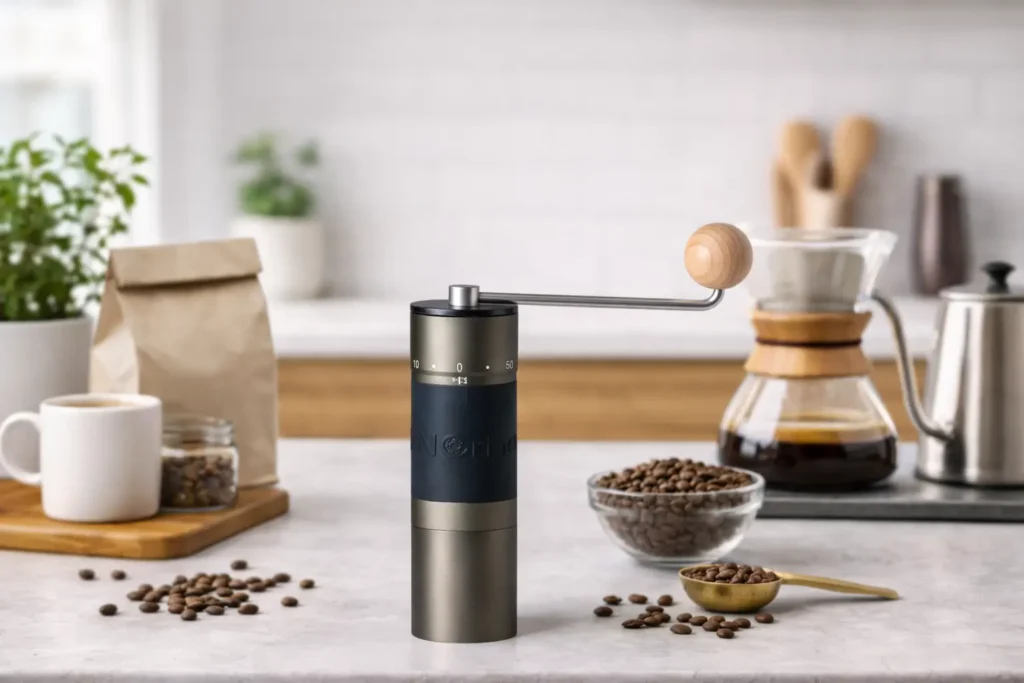
Whole beans and a consistent burr grinder are the biggest moka upgrade, because pre-ground coffee comes at a fixed size that may be too fine or too coarse for your pot. The KINGrinder K6 reaches the medium-fine moka range easily and lets you adjust in small, repeatable steps.
Start around 60 to 80 clicks from zero, between its espresso and pour-over ranges, then adjust by taste. Its compact size suits small kitchens, and it pairs naturally with a stovetop moka for a power-free brewing setup. Write down the click setting once your cup tastes right, so you can return to it quickly when you switch between coffees.
What to Avoid When Choosing Moka Beans
Avoid very dark, oily roasts unless you brew gently, since they often taste bitter and burnt in a moka pot. Be cautious with pre-ground espresso, which is usually too fine and can cause sputtering, harshness, or a blocked filter. Flavored coffees can leave residue in the gasket and filter that is hard to clean.
Avoid stale coffee without a roast date, because the moka’s intensity makes flat, papery flavors obvious. Finally, do not buy more than you can use within a few weeks; even the best moka coffee fades once the bag has been open too long. Buying smaller bags more often keeps every cup closer to its best, and it lets you try more of the coffees in this guide.
Brewing Tips That Make Any Bean Taste Better
Start with hot water in the base to shorten the time the coffee sits over the heat, which reduces bitterness. Use medium-low heat and keep the lid open so you can watch the flow. Remove the pot as soon as the coffee turns pale and begins to sputter, and cool the base under cold water or with a damp towel to stop extraction.
Stir the coffee in the top chamber before pouring, since the first and last parts of the brew taste different. Clean the pot with warm water only, avoiding soap on aluminum pots, and replace the gasket and filter plate when they wear. Our moka pot guide walks through the full method.
Troubleshooting: Bitter, Sour, Weak, Burnt
Bitter or burnt coffee usually means the heat was too high, the brew ran too long, or the grind was too fine; lower the heat, stop earlier, and grind coarser. Sour or thin coffee points to a grind that is too coarse or water that was too cool; grind finer and start with hot water.
Weak coffee often comes from an under-filled basket or a coarse grind, so fill the basket fully and level it. Violent sputtering means too much heat or too fine a grind. If coffee leaks from the seam, the gasket may be worn or the pot not screwed tightly. Our moka troubleshooting guide covers more problems.
Start With a Classic Moka Coffee
Super Crema is the all-round pick; illy Classico is the smooth pick.
As an Amazon Associate, CoffeeGearHub earns from qualifying purchases.
Editorial bottom line: Choose medium to medium-dark Italian-style coffees for the moka pot: Lavazza Super Crema as an all-rounder, illy Classico for smooth black cups, Crema e Gusto for classic Italian style, and Kimbo or Segafredo for bold strength. Grind medium-fine, never tamp, and keep the heat moderate.
Frequently Asked Questions
What are the best coffee beans for a moka pot?
Medium to medium-dark Italian-style coffees with chocolate and caramel notes work best. Lavazza Super Crema, illy Classico, and Lavazza Crema e Gusto are reliable choices; Kimbo Espresso Napoletano and Segafredo Intermezzo suit bolder cups.
What roast is best for moka pot?
Medium and medium-dark roasts. Very dark roasts can turn bitter and ashy under moka heat, and very light roasts can taste sharp and sour. If you use a darker roast, keep the heat low and stop the brew early.
What grind size should I use for a moka pot?
Medium-fine, between drip and espresso, roughly like table salt. Go coarser if the coffee tastes bitter or sputters, and finer if it tastes sour or thin. Never tamp the basket.
Can I use espresso coffee in a moka pot?
Yes, many espresso blends suit moka pots well. Pre-ground espresso is often too fine, though, which can cause sputtering and bitterness, so whole beans ground slightly coarser than espresso give better results.
Is Robusta good for moka pot?
A blend with some Robusta adds body, crema-like foam, and strength, which many people enjoy in moka coffee, especially with milk or sugar. If you prefer a smoother, less bitter cup, choose a 100 percent Arabica coffee like illy Classico.
Why does my moka pot coffee taste burnt?
Usually the heat is too high or the brew ran too long. Use medium-low heat, start with hot water in the base, and remove the pot as soon as the coffee turns pale and begins to sputter.
Sources and Further Reading
Coffee descriptions come from Lavazza, illy, Kimbo, Segafredo, Peet’s, and Café Bustelo published product information. Grind settings reference KINGrinder’s published grind chart, and moka technique follows Bialetti’s published brewing guidance. Extraction and brew-ratio concepts follow the Specialty Coffee Association’s brewing standards. CoffeeGearHub did not taste-test these coffees in-house; recommendations draw on published information and owner and reviewer reports.
CoffeeGearHub product shortlist
Continue with related products on CoffeeGearHub
Review product categories and current verified merchant offers on CoffeeGearHub before leaving the site.
Continue Learning
In this guide
- The 30-Second Answer
- Why Beans Matter
- Lavazza Super Crema
- illy Classico
- Lavazza Crema e Gusto
- Kimbo Napoletano
- Segafredo Intermezzo
- Peet’s Espresso Forte
- Café Bustelo
- Lavazza Espresso
- Picks Compared
- Beans by Drink Style
- Roast Level
- Arabica vs Robusta
- Origins
- Grind and Dial-In
- Ratio by Pot Size
- Grinder
- What to Avoid
- Brewing Tips
- Troubleshooting
- FAQ
- Sources
- Continue Learning