
Best Milk for Lattes (2026): Dairy, Oat, Almond, and Soy Compared
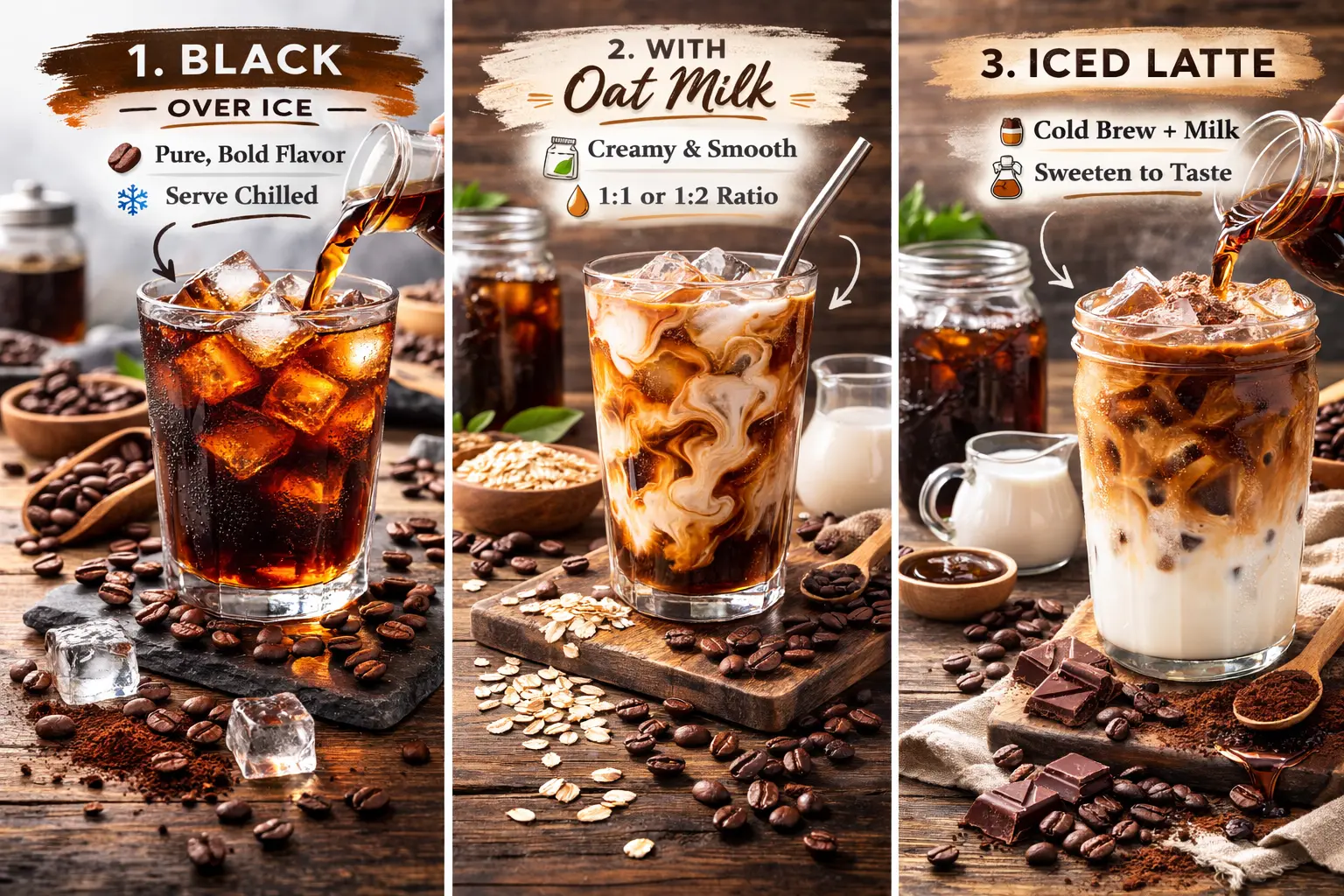
Editorial standards: this guide draws on published milk-science explanations, informal side-by-side comparisons by coffee retailers Clive Coffee and Prima Coffee, home-barista steaming guidance, and CoffeeGearHub’s existing milk guides. Brand mentions reflect those published comparisons. CoffeeGearHub does not claim hands-on testing where it has not occurred.
At a glance
What this milk guide covers
How milk turns into microfoam, a ranking of dairy and plant milks for lattes, whole versus reduced-fat milk, what barista editions change, how oat, almond, soy, and other plant milks behave, steaming temperatures for each milk, how to stop plant milk curdling, and which milk to buy for your drink.
Editorial analysis
The best latte milk balances protein, fat, and sugar
Every milk that makes good latte foam does the same three things: proteins trap air in tiny bubbles, fat gives the milk body, and sugar gives it sweetness once warm. Whole dairy milk happens to balance all three almost perfectly, which is why it remains the default in cafés.
Plant milks can get close, but only when they are formulated for it. The barista editions of oat, almond, and soy milk add fat and emulsifiers so they stretch and pour more like dairy. Choosing between them is mostly a question of flavor and how much practice you want to put in.
The 30-Second Answer
Whole dairy milk is the best milk for lattes: it steams into the silkiest, most stable microfoam and tastes naturally sweet at the right temperature. For a plant-based latte, barista-edition oat milk is the closest substitute, steaming and pouring much like dairy with a mild, creamy flavor.
Barista soy makes dense, stable foam with a nutty taste, and barista almond suits iced lattes better than hot ones. Steam dairy to about 55 to 65°C (130 to 150°F) and plant milks slightly cooler. Our how to make a latte at home guide covers the technique.
Compare current options
Start with these representative choices
Gear that gets the most out of any milk. Our best milk frothers guide compares more options.
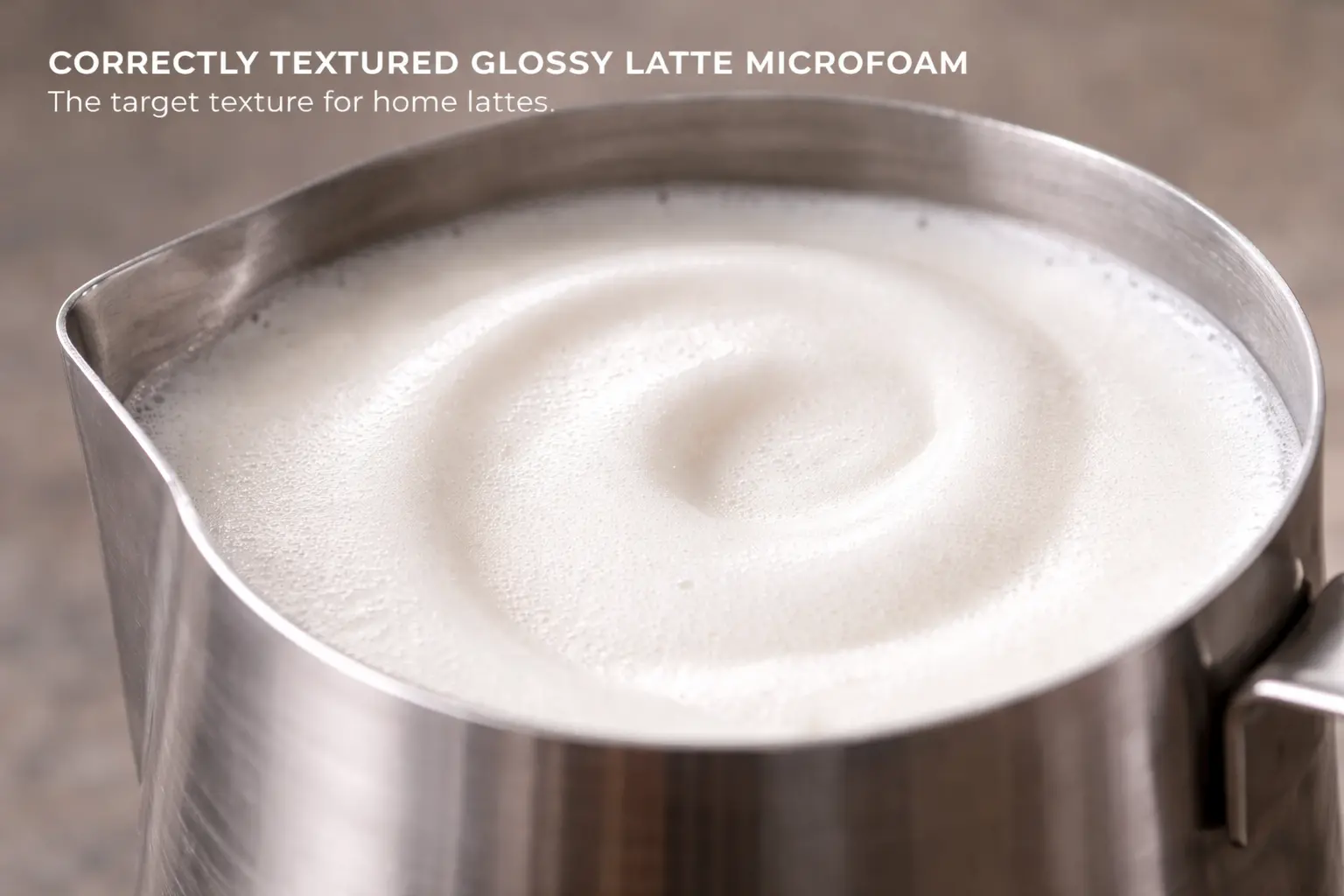
Rattleware 12 oz Pitcher — For steam wands
A stainless pitcher with a pouring spout helps any milk spin into microfoam and pour cleanly.
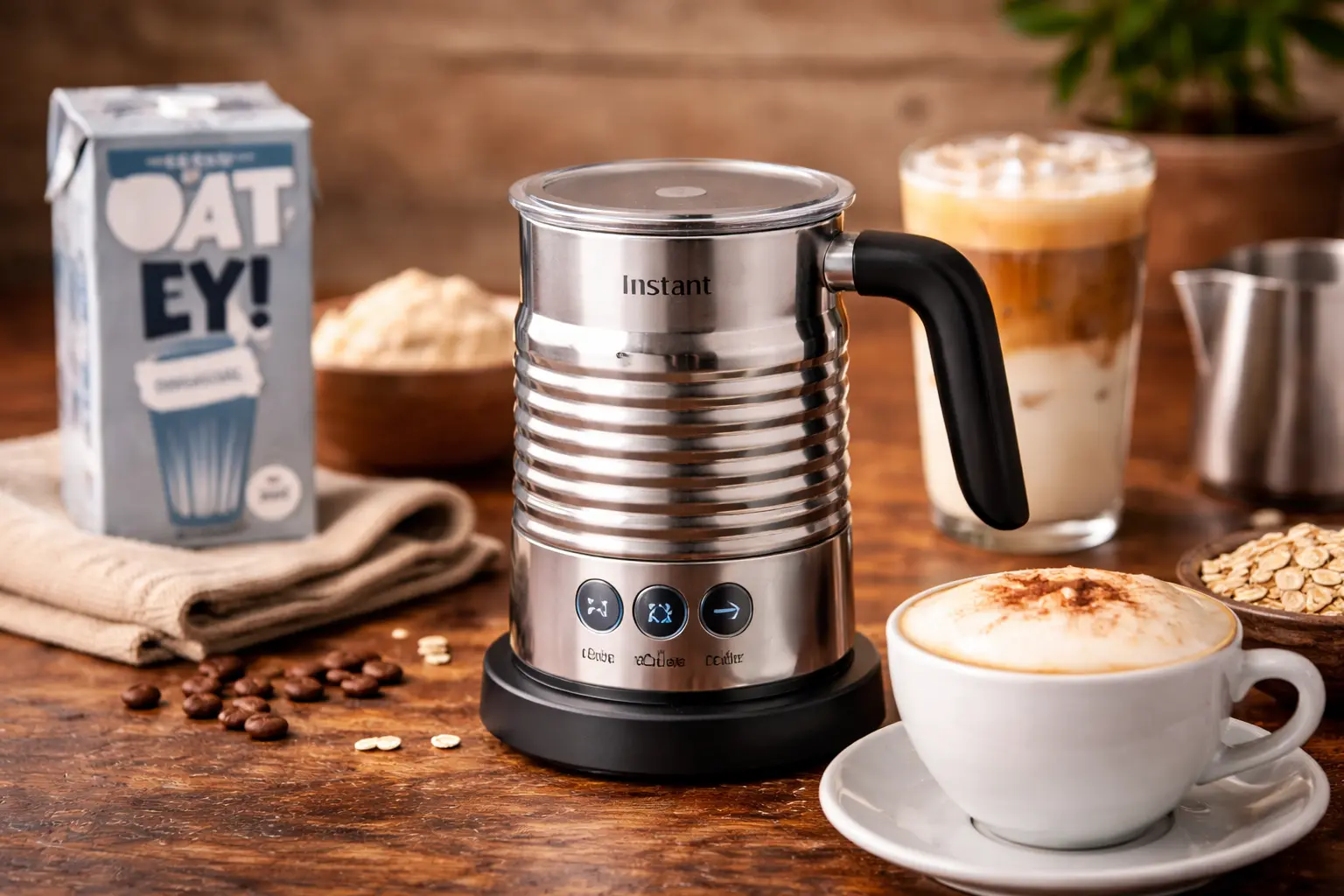
Nespresso Aeroccino 4 — Easy with plant milks
One-button hot foam, hot milk, and cold foam; popular with barista oat and almond milks.
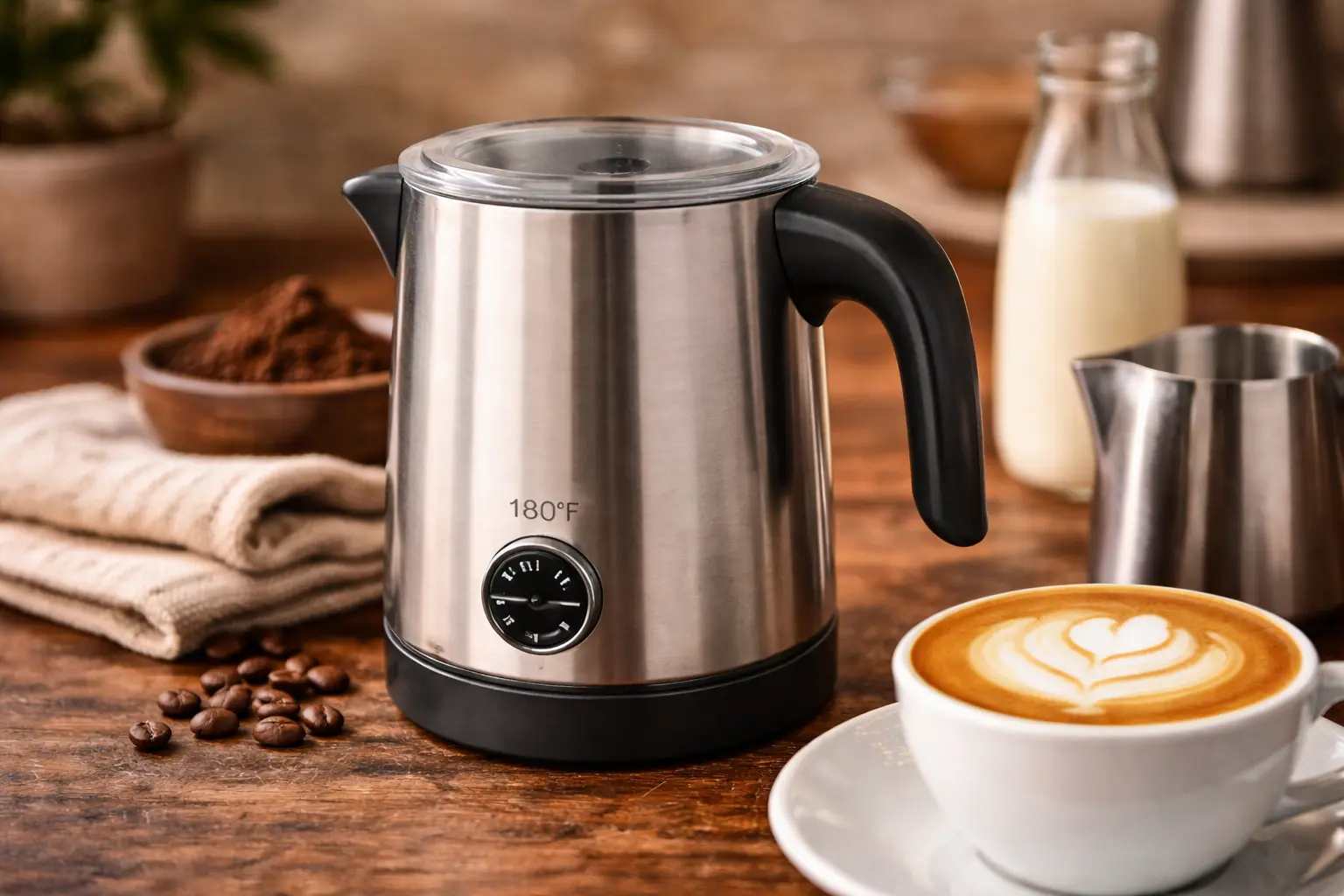
Breville Milk Café — Temperature control
Adjustable temperature lets you steam plant milks cooler than dairy to avoid separation.
Affiliate disclosure: Amazon links may earn CoffeeGearHub a commission at no additional cost to you. Prices and availability can change.
How Milk Turns Into Latte Foam
Steaming does two jobs at once: it heats the milk and pushes air into it. What happens to that air depends on what is in the milk. Proteins, mainly whey and casein in dairy, unfold as they warm and wrap around the air bubbles, holding them in place. Fat adds body and a creamy mouthfeel, and in the right amount it makes foam richer and more stable. Sugar, lactose in dairy, tastes sweeter as milk warms, which is why well-steamed milk needs no added sugar.
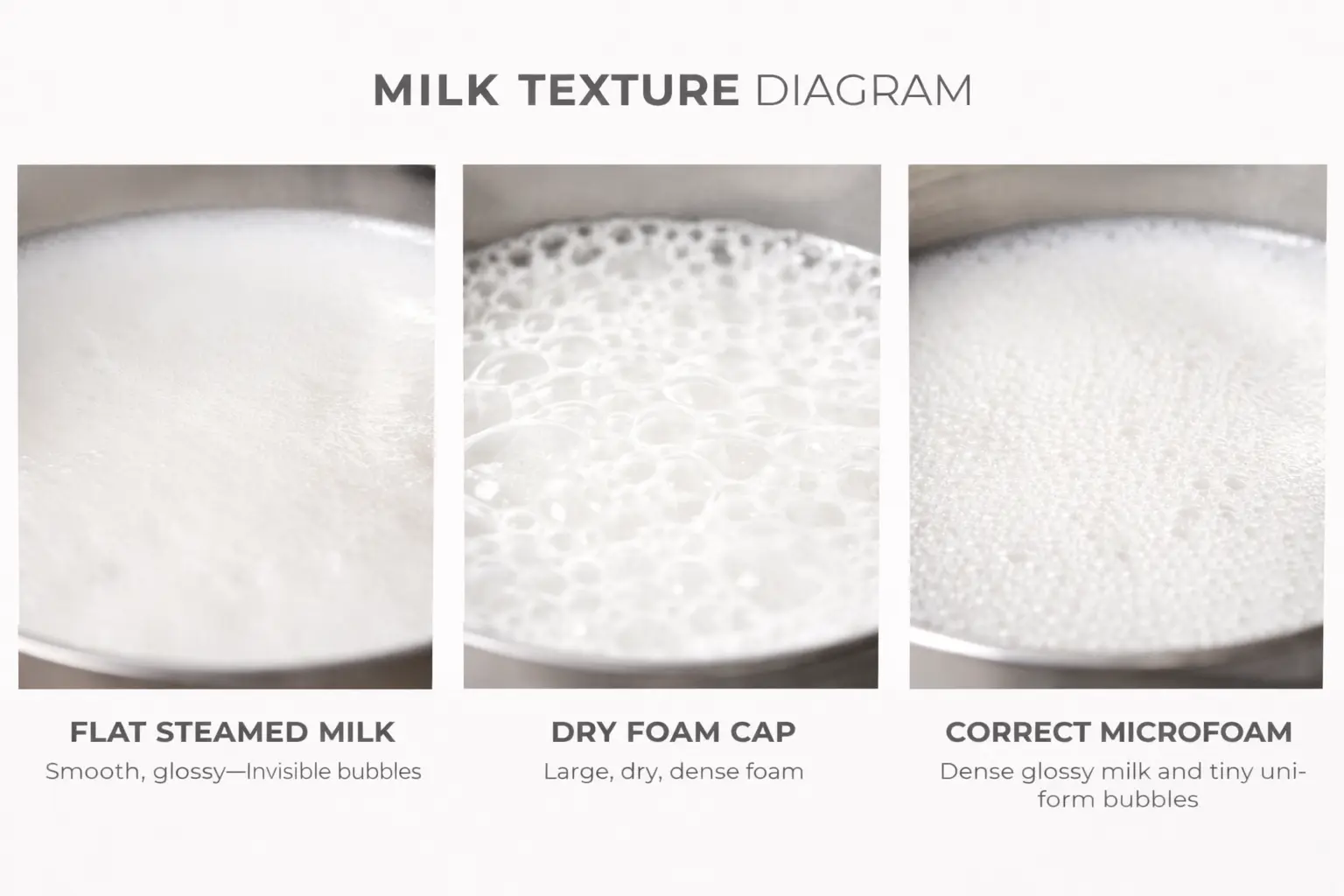
The goal for a latte is microfoam: bubbles so small the milk looks glossy, like wet paint, and pours as one liquid. Too little protein and the bubbles will not hold; too little fat and the foam is stiff and dry; overheat it and the proteins break down, the sweetness fades, and the foam collapses. Every milk in this guide succeeds or fails on that balance.
Equipment changes how much those differences show. A powerful café steam wand can make passable foam from almost any milk, while a weaker home wand or an electric frother exposes every weakness. That is why milks that seem fine in a coffee shop can disappoint at home, and why the more forgiving milks, whole dairy and barista oat, are the safest starting points for home baristas.
Milk for Lattes, Ranked
The table summarizes how common milks behave in a latte, based on the published comparisons cited at the end of this guide. Ratings describe typical results with a steam wand; barista editions of plant milks perform much better than their regular versions.
| Milk | Foam and texture | Flavor in a latte | Best for |
|---|---|---|---|
| Whole dairy | Silky, stable microfoam | Sweet, rich | Lattes, flat whites, latte art |
| 2% dairy | Foams easily, a little thinner | Lighter, still sweet | Lighter lattes |
| Skim dairy | Lots of stiff, dry foam | Thin, less sweet | Cappuccinos, cold foam |
| Barista oat | Smooth, close to dairy | Creamy, mild oat | Dairy-free lattes |
| Barista soy | Dense, stable | Nutty, slightly beany | Foamy dairy-free drinks |
| Barista almond | Thinner, harder to pour | Light, nutty | Iced lattes |
| Coconut | Variable | Strong coconut | Flavored or iced drinks |
Whole Milk vs 2% and Skim
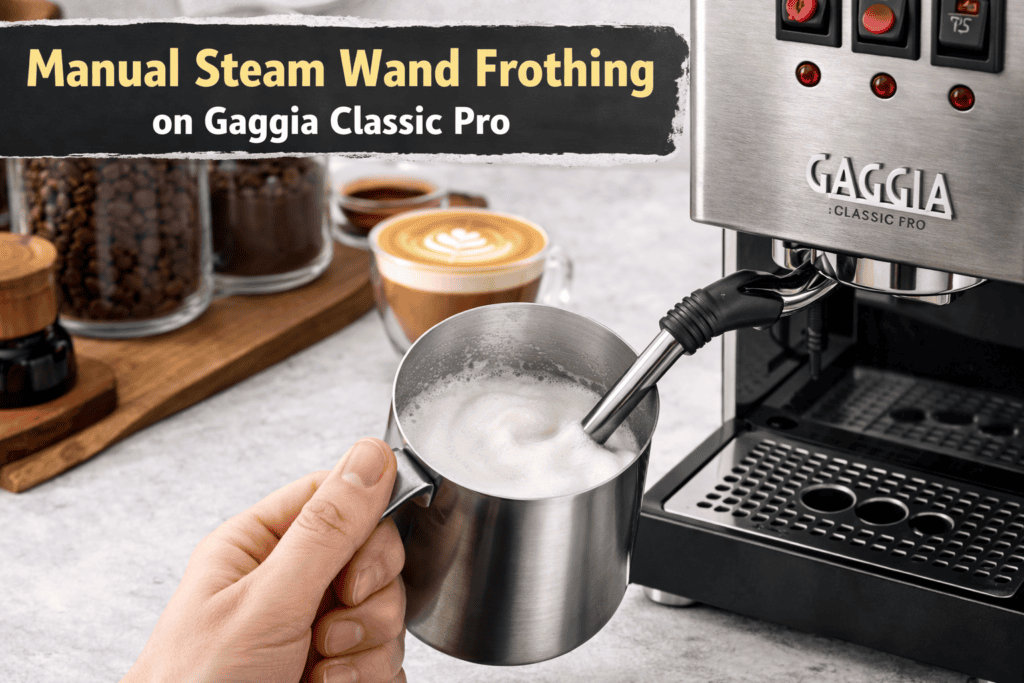
Whole milk is the café standard for good reason. Clive Coffee describes it as having just the right balance of fats, proteins, sugar, and water for smooth microfoam, and in its comparison whole milk steamed better than 2% or nonfat. It is also the most forgiving of imperfect technique, which matters at home, where steam wands are weaker than café machines.
Reduced-fat milks foam readily, sometimes too readily. Two-percent milk makes a lighter latte that still steams well, while skim produces impressive mountains of stiff foam with little body or sweetness. That makes skim a good choice for a dry cappuccino or for cold foam on iced drinks, but a poor one for a silky latte or latte art.
Small differences between brands are real. Clive Coffee found organic whole milks easier to keep free of large bubbles, especially on lower-powered wands. Lactose-free milk steams much like regular milk but tastes sweeter, because its lactose has already been broken down into simpler sugars.
What Barista Editions Actually Change
Regular plant milks are designed for cereal and coffee pours, not steaming. Most have less protein and fat than dairy, so they foam poorly, separate quickly, or curdle when they meet hot coffee. Barista editions are reformulated for the job, typically with added fat and emulsifiers that help them stretch into microfoam, pour more smoothly, and hold together in hot, acidic espresso.
The difference is large enough that it matters more than the plant itself. A barista almond milk can outperform a regular oat milk, and the cheapest way to improve a dairy-free latte is often simply to buy the barista version of the milk you already like. Check the carton: the barista label is usually printed clearly on the front.
Oat Milk: The Best Dairy-Free Choice
Barista oat milk is the plant milk most cafés reach for, and the published comparisons explain why. Prima Coffee found barista oat milks steamed like whole milk, using the same stretching and spinning technique, and judged oat milk closer to dairy than almond in mouthfeel, steaming, and pouring. Clive Coffee likewise found Oatly Barista Edition steamed very similarly to dairy.
There are differences between brands. In Prima Coffee’s informal comparison, Minor Figures and Rise produced the smoothest surfaces and sharpest latte art, while Oatly kept a few lingering bubbles but was the overall favorite for flavor, creaminess, and iced lattes. Clive Coffee noted that oat foam does not last as long as whole milk’s, because it has less protein relative to fat, so pour promptly.
Oat milk’s mild, slightly sweet flavor suits most coffees, and Complete Home Barista rates it the most forgiving plant milk overall. For most people switching away from dairy, a barista oat milk is the place to start.
Almond Milk: Better Iced Than Hot
Almond milk is popular for its light, nutty flavor, but it is one of the harder plant milks to steam well. In Prima Coffee’s comparison, none of the barista almond milks reached the glossy finish of oat or dairy, and none poured easily. Elmhurst took first place for ease of steaming and pouring and a balanced cappuccino; Pacific was sweeter; and Califia produced excess bubbles when steamed but made the best iced latte. Clive Coffee found Califia’s barista blend made rich foam that stayed sweet at higher temperatures, with latte art workable but harder than with whole milk.
The practical advice is to steam almond milk cooler, around 55 to 60°C (130 to 140°F), use a barista blend, and expect thinner foam. If you like the flavor, it shines in iced lattes, where foam matters less. Watch added sugar too: Prima noted barista almond milks ranging from 3 to 8 g of added sugar, which changes the drink noticeably.
Soy Milk: Dense Foam, Distinct Flavor
Soy milk was the original café alternative, and it still foams well thanks to its relatively high protein content. Clive Coffee found it produced dense, creamy foam, though latte art was harder to pour. Complete Home Barista rates barista soy as very good with stable foam, but notes a distinct beany flavor that some drinkers love and others do not.
Soy’s main weakness is curdling. Its proteins can coagulate in hot, acidic coffee, and Complete Home Barista notes that this tends to happen when soy is heated above about 60 to 65°C (140 to 150°F). Keep it at or below that range, use a barista version, and avoid very bright, acidic light roasts.
Coconut, Pea, and Other Plant Milks
Beyond the big three, results vary widely. Barista coconut milk can foam reasonably well, but its strong coconut flavor dominates the coffee, so it suits flavored or iced drinks better than a classic latte; Clive Coffee rated regular coconut milk poorly. Pea milk is a newer option that Complete Home Barista credits with good foam, a neutral taste, and relatively high protein.
Macadamia milk made decent foam and latte art in Clive Coffee’s comparison, while cashew milk produced thin foam that faded within a minute or two and tasted flat. Hemp milk was nearly impossible to texture, and rice milk is generally too thin and watery to foam at all. If you want a dependable dairy-free latte, oat or soy barista editions are the safer bets.
Blends are increasingly common too, such as oat with pea protein or almond with coconut. Manufacturers use them to combine one milk’s flavor with another’s protein or body, and the best of them steam well. Treat any blend the way you would its main ingredient, check that it is labeled for baristas, and start at the cooler end of the steaming range.
Steaming Temperatures by Milk
Plant milks are more fragile than dairy, so most should be steamed a little cooler. These ranges follow published home-barista guidance; without a thermometer, stop dairy when the pitcher becomes too hot to hold for more than a few seconds, and plant milks a little before that.
| Milk | Target temperature | Notes |
|---|---|---|
| Whole and 2% dairy | 55–65°C (130–150°F) | Sweetest in this range; cooked taste above about 70°C |
| Barista oat | 60–65°C (140–150°F) | Pour promptly; foam fades sooner than dairy |
| Barista soy | 60–65°C (140–150°F) maximum | Can curdle if pushed hotter |
| Barista almond | 55–60°C (130–140°F) | Scorches easily; steam gently |
These numbers also explain a common complaint: plant-milk lattes that taste burnt or separate in the cup are usually steamed to dairy temperatures or beyond. Dropping the target by five degrees often fixes the problem without changing the milk.
How to Stop Plant Milk Curdling
Curdling happens when plant proteins meet heat and acid at the same time and clump together. Barista editions resist it, but technique helps too. Steam the milk to the lower end of its range, and pour the milk into the coffee rather than the other way around, which Complete Home Barista recommends to reduce curdling. Lower-acid medium and dark roasts curdle plant milk less than bright, light roasts.
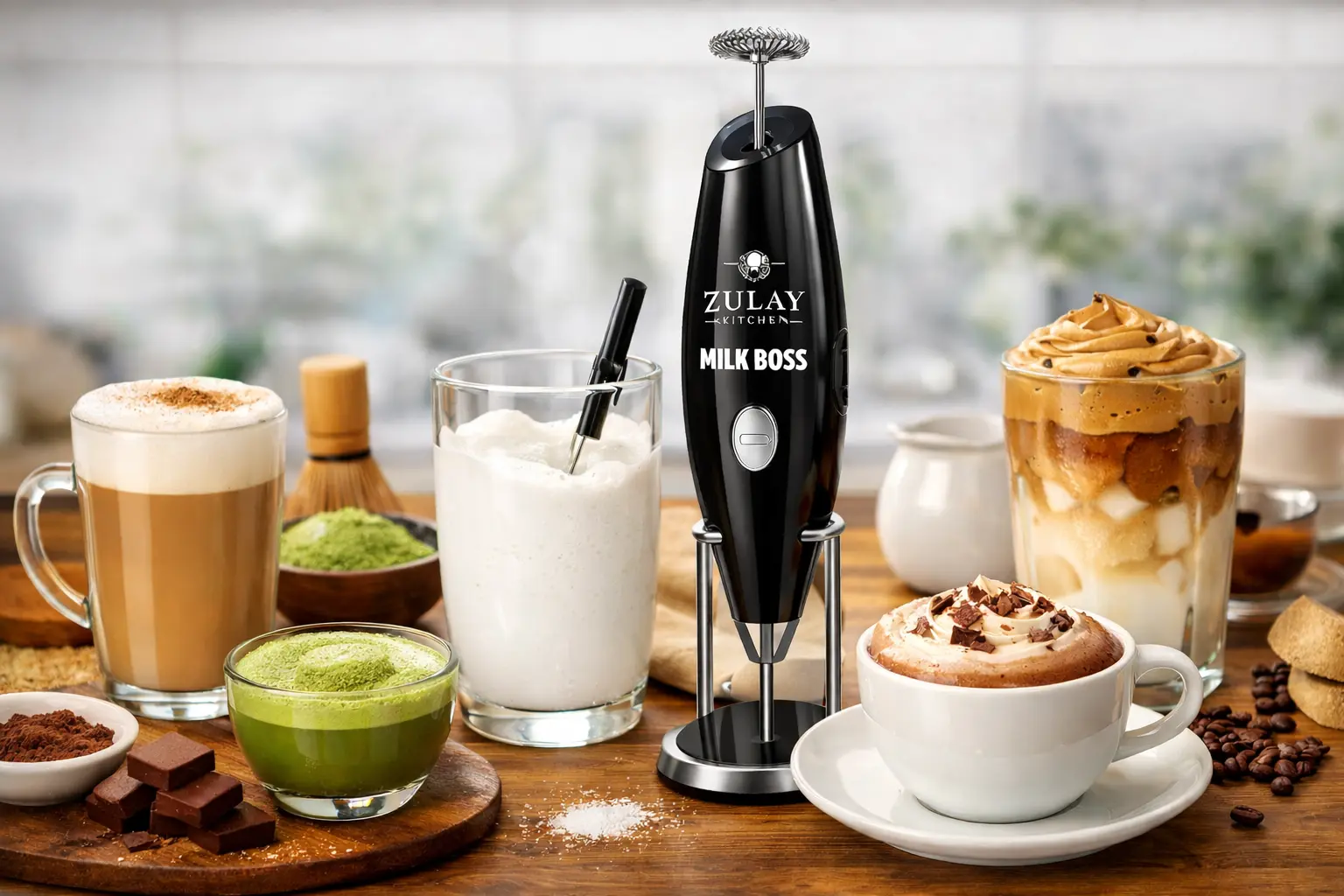
Freshness matters as well: an opened carton that is near its date is more likely to separate. If you use an electric frother rather than a steam wand, one with adjustable temperature such as the Breville Milk Café lets you heat plant milks gently, and the Nespresso Aeroccino 4 is widely used with barista oat and almond milks.
The Best Milk for Each Drink
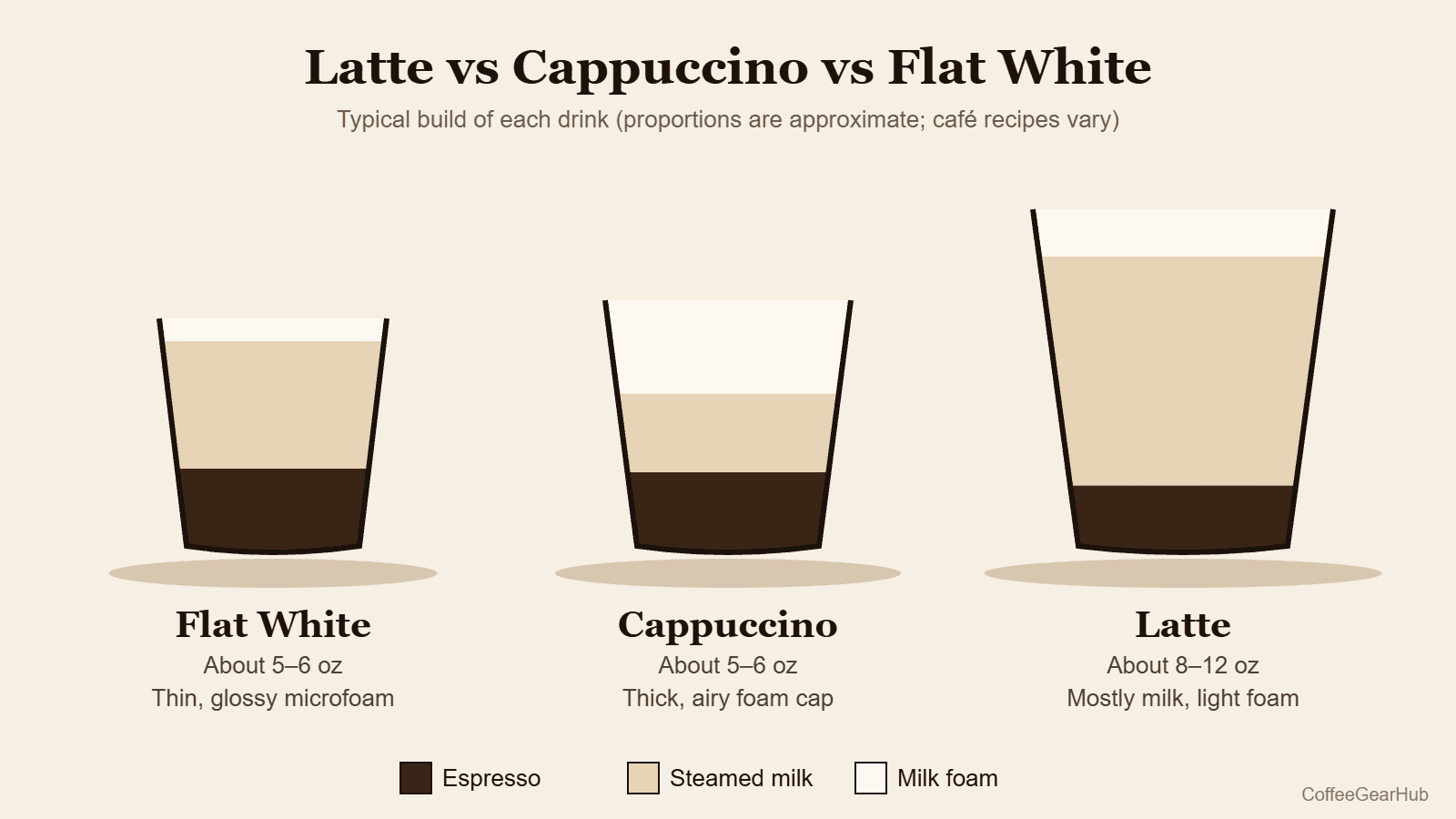
The right milk depends on the drink as much as on taste. A latte and a flat white both want silky, lightly aerated milk, so whole dairy or barista oat milk are the strongest choices; their fat gives the glossy texture that pours into latte art. A cappuccino wants more, airier foam, which reduced-fat dairy and barista soy produce easily. A cortado uses so little milk that flavor matters more than foam, so pick the milk you most enjoy drinking.
Iced drinks change the rules. Without steaming, foam matters less and flavor and body matter more, which is where barista almond and coconut milks come into their own. For cold foam on iced coffee or cold brew, skim milk and barista oat milk whip up best. Our latte vs cappuccino vs flat white guide explains how much milk and foam each drink uses.
Buying and Storing Milk for Steaming
Freshness affects foam more than most people realize. As milk ages, its proteins and sugars begin to change, and older milk foams less reliably and tastes flatter once steamed. Buy milk you will use within a few days of opening, keep it in the coldest part of the fridge rather than the door, and pour only what you need into the pitcher so the rest stays cold.
Start every drink with cold milk. Cold milk gives you more time to add air and texture it before it reaches the target temperature, and steam wands and electric frothers both produce finer foam from a cold start. Never re-steam milk left in the pitcher from a previous drink; it has already lost sweetness and will not foam properly a second time.
Shelf-stable barista plant milks are convenient because they keep for months unopened, but once opened they should be refrigerated and used within the period printed on the carton. Shake plant milks well before pouring, since their fats and solids settle, and an unshaken carton can steam unevenly from one drink to the next.
Which Milk Should You Buy?
For the best-tasting latte and the easiest learning curve, buy fresh whole dairy milk. It makes the silkiest microfoam, tastes sweet without sugar, and forgives small mistakes. Choose 2% if you want a lighter drink, and save skim for cappuccinos and cold foam.
If you avoid dairy, start with a barista oat milk; it steams and pours most like whole milk and suits almost any coffee. Choose barista soy for denser foam and a nuttier taste, and barista almond mainly for iced lattes. Whatever you buy, keep it cold, steam it to the right temperature, and pour promptly. Our how to steam milk guide covers the technique, and a machine with automatic milk texturing, such as the Breville Bambino Plus, makes consistent results easier with any milk.
If you are unsure, buy small cartons of two or three options and make the same latte with each over a few mornings. Taste matters as much as foam, and the milk you enjoy drinking is the one you will keep using. Once you settle on a favorite, stick with that brand, because switching between milks means relearning how far to stretch and how hot to steam.
Get More From Any Milk
A simple frother or a proper steaming pitcher makes the biggest difference to latte texture.
As an Amazon Associate, CoffeeGearHub earns from qualifying purchases.
Editorial bottom line: Whole dairy milk makes the best latte; barista oat milk is the best dairy-free alternative. Barista soy suits foamy drinks, barista almond suits iced lattes, and every plant milk does better steamed slightly cooler than dairy.
Frequently Asked Questions
What is the best milk for lattes?
Whole dairy milk. Its balance of protein, fat, and sugar makes the silkiest microfoam and a naturally sweet drink. For a dairy-free latte, barista-edition oat milk is the closest match.
Is oat milk good for lattes?
Barista oat milk is excellent. It steams and pours much like whole milk with a mild, creamy flavor, though its foam may not last quite as long. Regular oat milk often foams poorly.
Why does almond milk curdle in coffee?
Plant proteins can coagulate when they meet hot, acidic coffee. Barista blends reduce the problem; warming the milk first, steaming it cooler, and choosing a lower-acid roast also help.
Is skim milk good for lattes?
Skim milk makes lots of stiff, airy foam but a thin, less sweet drink. It suits a cappuccino or cold foam better than a silky latte.
What temperature should I steam oat milk to?
About 60 to 65°C (140 to 150°F), slightly cooler than the upper end for dairy. Almond milk prefers about 55 to 60°C (130 to 140°F).
What makes a barista edition milk different?
Barista versions are formulated for steaming, typically with added fat and emulsifiers, so they stretch into microfoam, pour more smoothly, and hold up better in hot coffee.
Sources and Further Reading
Milk science follows Cru Kafe’s science of frothed milk and Complete Home Barista’s milk temperature guide. Milk comparisons follow Clive Coffee’s milk comparison and Prima Coffee’s alternative milk comparison, both informal retailer comparisons. Plant-milk steaming temperatures follow Complete Home Barista’s milk alternatives guide. Technique follows CoffeeGearHub’s how to steam milk and frothing guides.
CoffeeGearHub product shortlist
Continue with related products on CoffeeGearHub
Review product categories and current verified merchant offers on CoffeeGearHub before leaving the site.