
Manual vs Automatic Espresso Machines
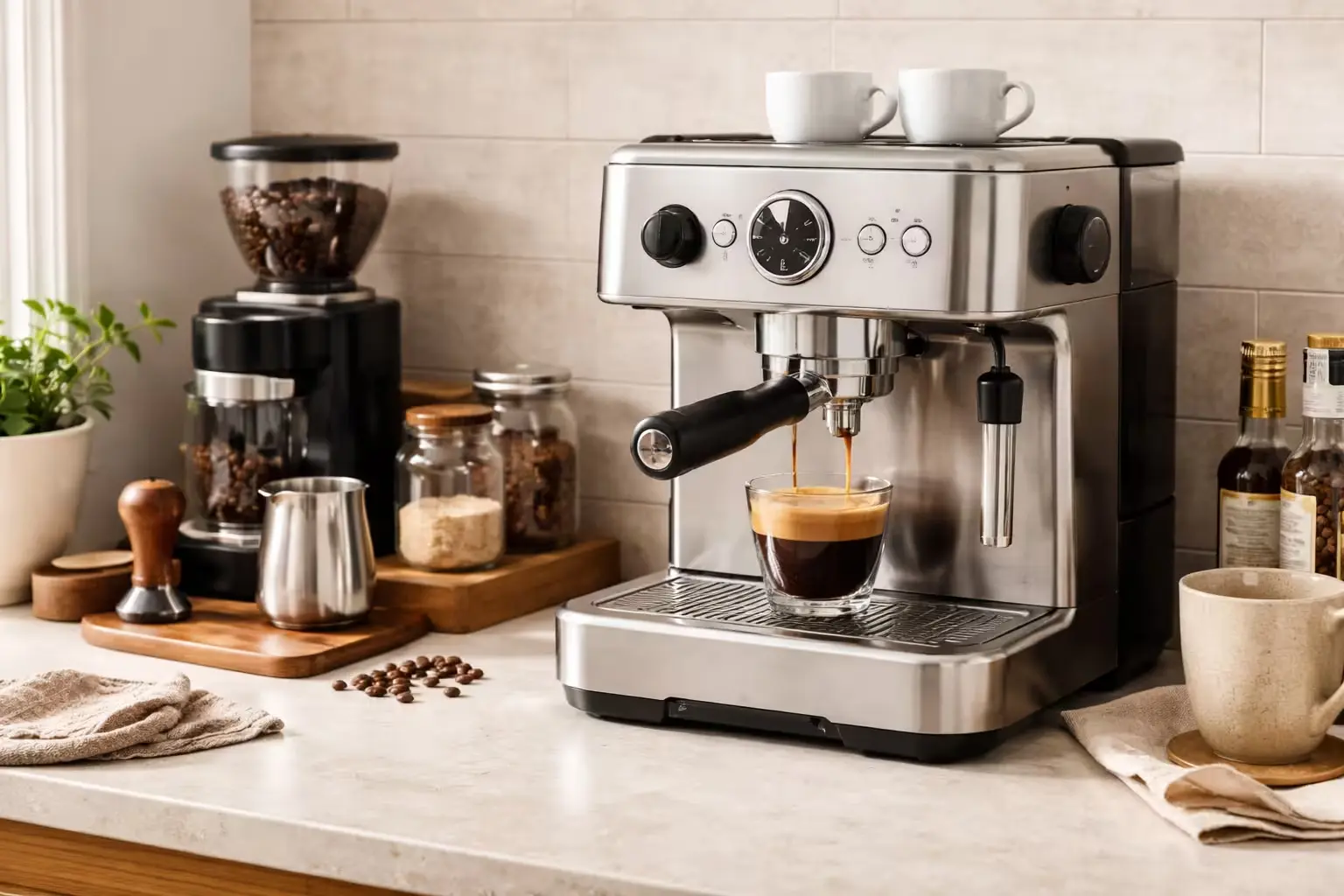
Editorial standards: this comparison uses current manufacturer documentation, machine workflow, grinder requirements, cleaning responsibilities, and product limitations. CoffeeGearHub does not claim hands-on testing where it has not occurred.
At a glance
What this comparison covers
This comparison separates manual lever, semi-automatic, assisted semi-automatic, and super-automatic espresso workflows, then compares grinder needs, milk handling, control, maintenance, ownership trade-offs, and current machine examples.
Editorial analysis
Separate control from quality and convenience
A semi-automatic gives the user more direct ways to change extraction; a super-automatic reduces the number of tasks required for a repeatable drink. More control does not guarantee a better cup, and more automation does not eliminate maintenance.
The 30-Second Answer
Choose a manual lever or semi-automatic espresso setup if you want direct control over grind, dose, puck preparation, yield, milk steaming, and the learning process. Choose a super-automatic if you want the machine to grind, dose, brew, and often prepare milk drinks with much less hands-on work. Assisted semi-automatics such as the Breville Barista Touch sit between those two workflows rather than belonging cleanly to either extreme.
First, Fix the Terminology: Manual, Semi-Automatic, Automatic, and Super-Automatic
Espresso-machine labels are messy. In enthusiast discussions, a manual machine usually means a lever machine where the user physically creates or controls brewing pressure. A semi-automatic machine uses an electric pump to create pressure but still asks the user to grind coffee, dose a portafilter, distribute, tamp, start the shot, and decide when extraction is finished.
The word automatic can also describe a pump machine that automatically stops at a programmed beverage volume. That is different from a super-automatic or bean-to-cup machine, which encloses much more of the workflow: grinding, dosing, puck formation, brewing, spent-puck disposal, and often milk preparation.
For this guide, “hands-on” means manual lever + semi-automatic. “Automatic” means super-automatic bean-to-cup unless a paragraph explicitly says otherwise.
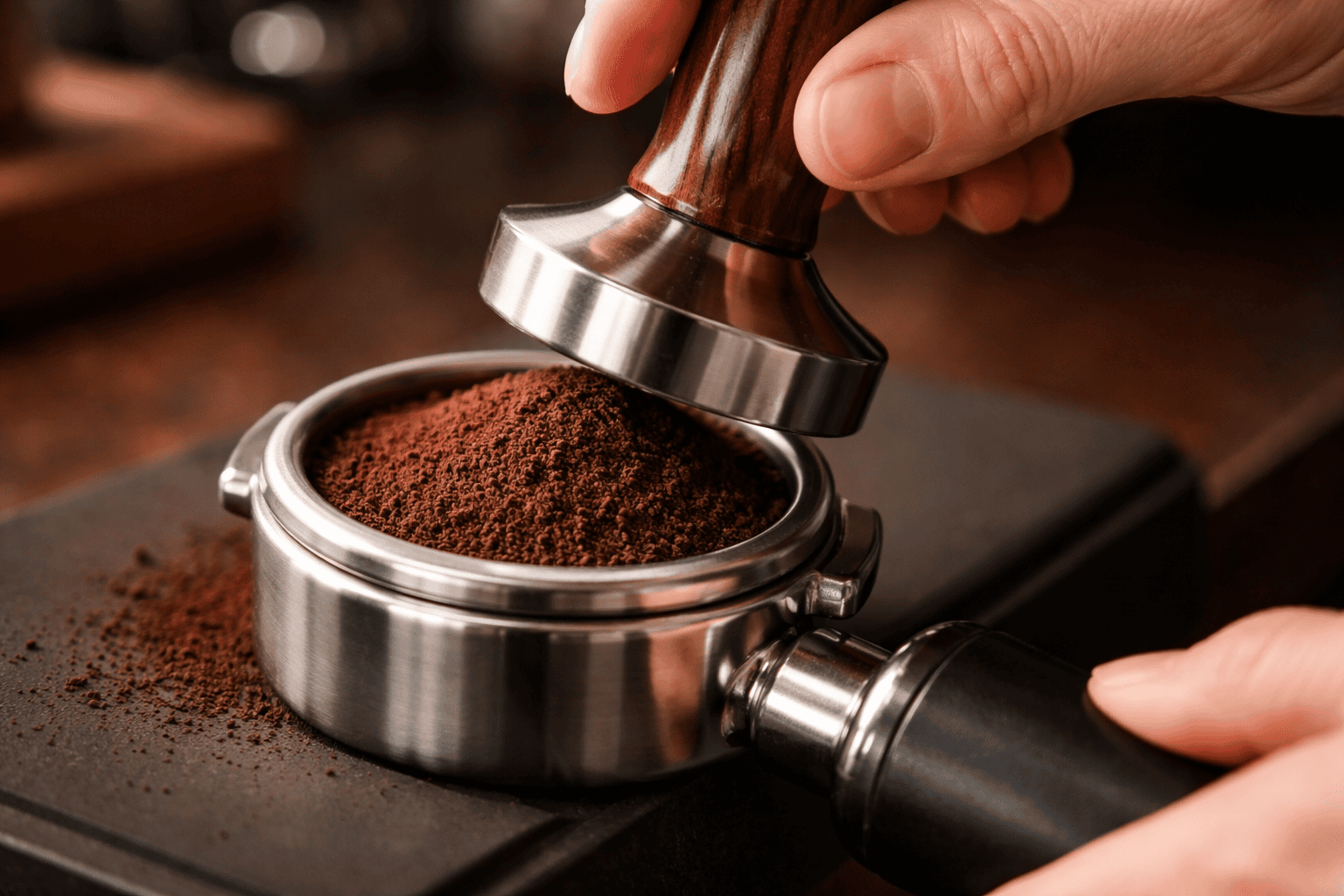
What You Control in Each Espresso Workflow
| Variable | Manual lever / semi-automatic | Super-automatic |
|---|---|---|
| Grinding | You choose the grinder and setting, or use an integrated grinder on some assisted machines | Built-in grinder is normally part of the machine |
| Dose | You weigh or otherwise control the dose | Machine controls dose within available strength settings |
| Distribution & tamp | User-controlled | Handled internally |
| Yield / shot stop | User-controlled or programmable depending on machine | Recipe/program controlled, usually adjustable within a menu |
| Milk | Manual steam wand or assisted/automatic wand depending on model | Manual frother on some entry models; automatic milk system on many others |
| Bean-to-bean adjustment | High flexibility if grinder and machine expose the needed controls | Usually simpler adjustment through grind, strength, temperature, and drink settings |
| Cleanup | Portafilter, basket, group area, drip tray, steam wand | Dreg bin, drip tray, brew group where removable, internal cleaning cycles, grinder path, milk system where fitted |
Hands-On Espresso: Manual Lever and Semi-Automatic Machines
Hands-on espresso separates the machine from coffee preparation. You decide how the coffee is ground and packed, and you see the result immediately in flow, shot yield, and taste. That makes the workflow more demanding, but it also makes cause and effect easier to study.
A pump-driven semi-automatic such as the Breville Bambino removes the need to create pressure manually. A lever machine such as the Flair PRO 3 moves in the other direction: the user creates the pressure profile directly. Both still depend on a capable espresso grinder and consistent puck preparation.
Where the hands-on workflow makes sense
- You want to learn how grind, dose, yield, puck preparation, and milk steaming change the cup.
- You already own—or are prepared to buy—an espresso-capable grinder.
- You often change coffees and want direct control over dialing in.
- You do not mind several preparation and cleanup steps for each session.
- You prefer separate tools that can be changed or upgraded independently.
What frustrates new owners
- A weak grinder can make a capable espresso machine feel inconsistent.
- Changing multiple variables at once makes dialing in harder to understand.
- Milk steaming is a separate skill on machines with fully manual steam wands.
- Two people using the same setup can get different results if puck preparation differs.
Super-Automatic Espresso: Bean-to-Cup Convenience
A super-automatic compresses the workflow into a machine-controlled sequence. Beans go into the hopper, the internal grinder prepares a dose, the brew unit forms and extracts the puck, and the spent coffee is moved into a dreg container. Depending on the model, milk may be frothed manually or handled by an automatic milk system.
This does not make the machine maintenance-free. It shifts effort away from puck preparation and toward machine cleaning, milk-system hygiene, dreg-bin management, water treatment, descaling, and adjustment of grinder or drink settings.
Where the super-automatic workflow makes sense
- Several people need to make drinks without learning portafilter technique.
- Morning speed and repeatability matter more than changing every extraction variable.
- You want an integrated grinder and fewer loose accessories on the counter.
- You make frequent milk drinks and value stored recipes or one-touch preparation.
What buyers need to accept
- The built-in grinder and brew group define the machine’s adjustment limits.
- Milk systems add cleaning steps.
- Repairs can involve electronics, motors, valves, grinders, sensors, and internal brew mechanisms.
- Beverage presets are a starting point; bean choice, strength, grinder setting, temperature, and drink volume still affect the result.
Compare the two workflows
Hands-on espresso vs push-button bean-to-cup
The useful decision is not which technology is universally better. It is how much of the espresso-making process you actually want to control every morning.
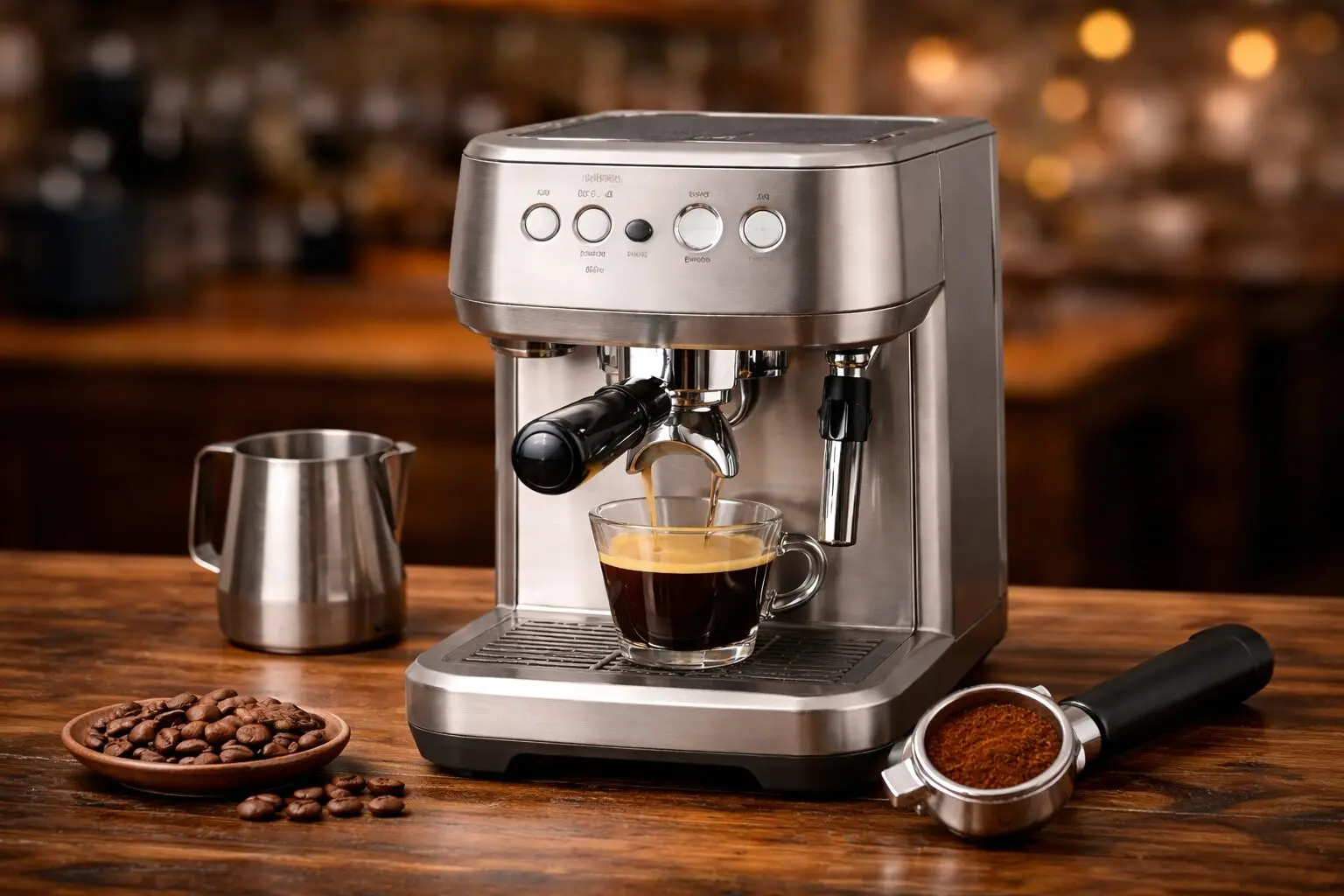 Hands-on / semi-automaticYou manage the coffee puck and extraction decisions; the machine provides heat and pump pressure.See beginner semi-automatic options →
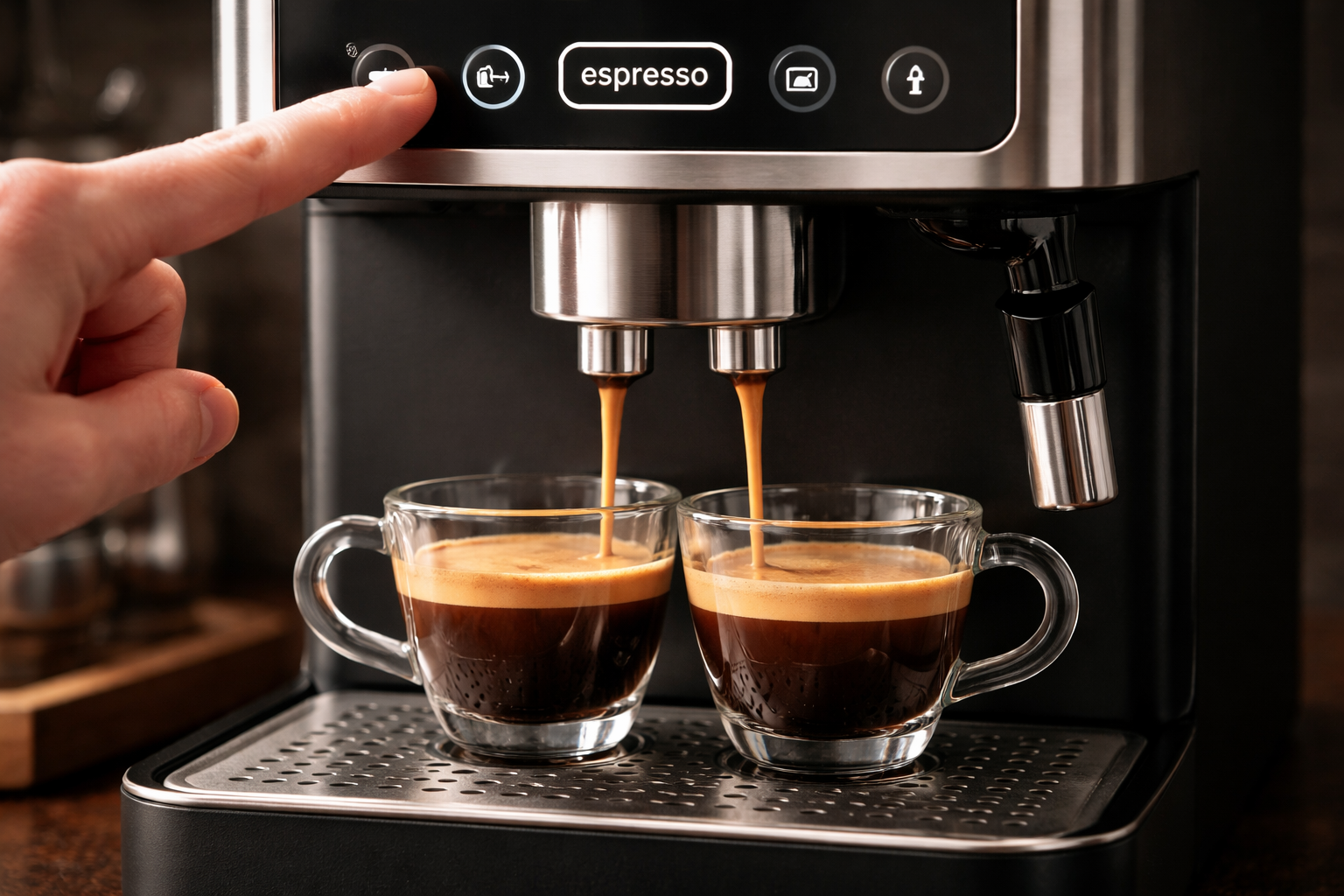 Super-automatic / bean-to-cupThe machine handles most grinding, dosing, brewing, and—on many models—milk preparation.See a super-automatic example →
Manual vs Automatic Espresso Machines: The Differences That Matter Most
| Priority | Hands-on / semi-automatic | Super-automatic |
|---|---|---|
| Fast morning workflow | More preparation steps | Fewer preparation steps |
| Direct extraction control | More variables exposed to the user | More variables managed internally |
| Separate grinder choice | Usually required unless integrated | Built in |
| Learning espresso technique | Strong fit | Not the primary purpose |
| Multiple casual users | Each user must learn the workflow | Stored recipes/presets can simplify sharing |
| Milk control | Manual or assisted, model-dependent | Manual or automatic, model-dependent |
| Internal complexity | Coffee preparation remains largely external | More preparation systems live inside the machine |
Espresso Quality: Control Is Not the Same as Guaranteed Quality
A hands-on machine does not automatically make better espresso, and a super-automatic does not automatically make worse espresso. The two designs expose different levels of control.
With a semi-automatic or lever machine, a user can change grind size in small increments, weigh dose and yield, improve distribution, change shot ratio, and adapt quickly to a new coffee. That creates a wider experimentation space. It also creates more ways to make a poor shot.
A super-automatic narrows the workflow. Many models let you change grinder setting, coffee strength, temperature, beverage volume, and milk parameters, but they do not normally expose puck preparation in the same way a portafilter setup does. For a household that values repeatability, that constraint can be a feature.
The Grinder Question Changes the Budget
A portafilter machine without a built-in grinder is only part of a complete espresso setup. You also need a grinder capable of making small, repeatable changes in the espresso range. That is why comparing a bare semi-automatic machine directly with a bean-to-cup machine can be misleading: the super-automatic already contains the grinder.
For more detail, see Do You Need a Grinder for Espresso? and Best Coffee Grinders for Espresso. Compare the machine + grinder + scale + basic accessories against the complete super-automatic purchase rather than comparing machine sticker prices alone.
Milk Drinks: Manual Texture vs Automated Repetition
Milk workflow varies inside both categories. A basic semi-automatic may use a manual steam wand; the Bambino Plus adds automatic milk texturing while keeping the portafilter workflow. Entry super-automatics may use a manual frother, while higher-feature models use automatic milk carafes or tubing systems.
Choose manual steaming if you want to practice texture and pouring. Choose an automated milk system if several people want repeatable cappuccinos or lattes without learning wand position and aeration. Either way, milk-contact parts need prompt cleaning. See How to Steam Milk for Lattes and Cappuccinos.
Current Machine Examples: Where They Actually Fit
These examples clarify categories rather than declaring one universal winner. CoffeeGearHub may earn a commission from the Amazon links below at no additional cost to you.
Breville Bambino family — compact semi-automatic
The Bambino workflow is hands-on: you use a portafilter and separate grinder, while the machine supplies controlled heating and pump pressure. Current Bambino specifications include a 54mm portafilter, an 18-gram dose design, ThermoJet heat-up in about three seconds, low-pressure pre-infusion, and 9-bar extraction. The Bambino Plus adds more milk automation than the base machine.
Best fit: buyers who want puck-preparation control without a large espresso machine.
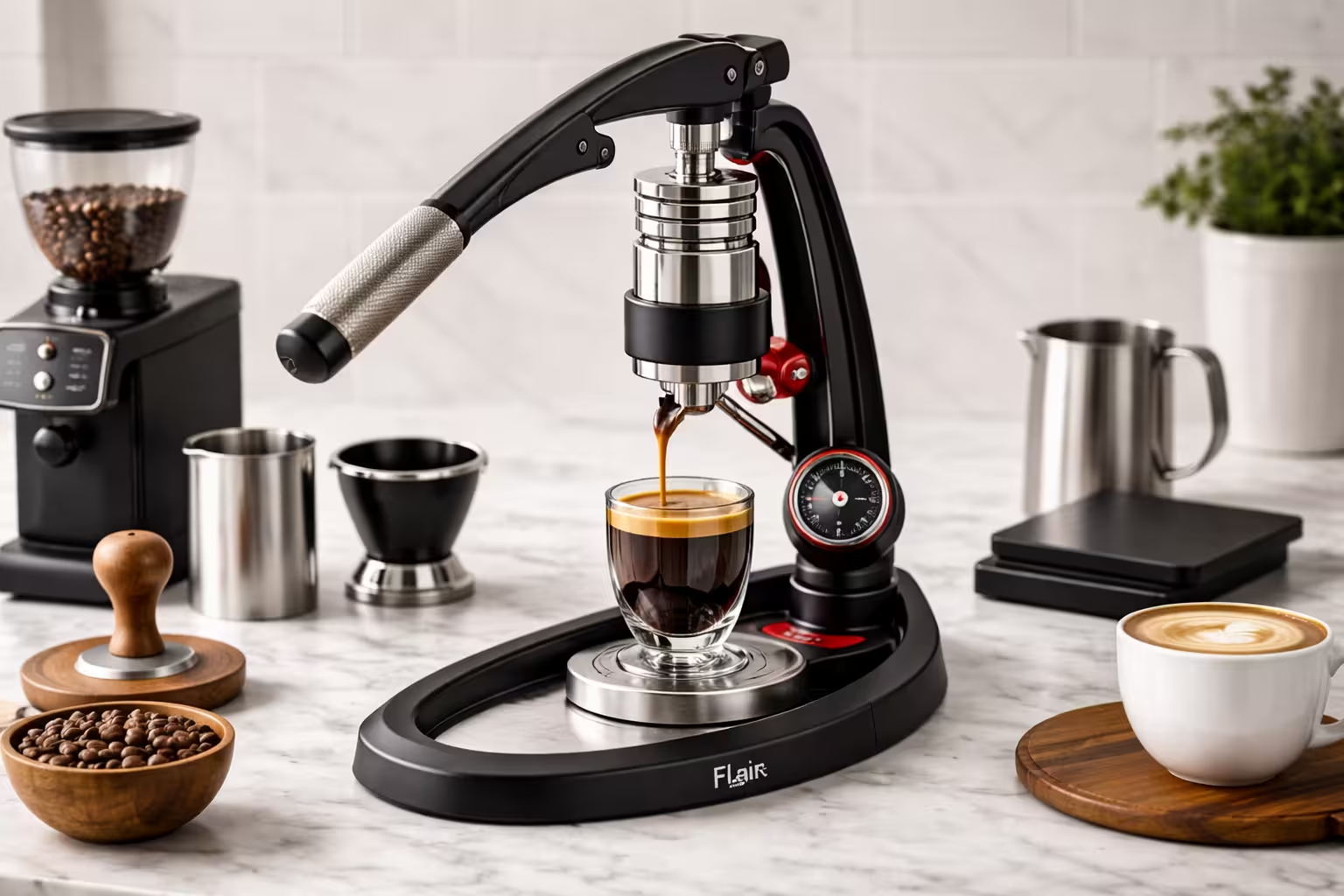
Flair PRO 3 — fully manual lever workflow
The Flair PRO 3 represents the manual end of the spectrum. There is no electric pump doing the pressure work for you; the attraction is direct lever control and a compact manual process. It still requires an espresso-capable grinder and careful dose, puck preparation, and water management.
Best fit: users who specifically want a lever workflow, portability, and hands-on pressure control.
De’Longhi Magnifica Start — entry super-automatic
Magnifica Start belongs on the bean-to-cup side. Current versions combine an internal grinder with one-touch coffee recipes; De’Longhi lists 13 grinder settings, and the range includes both manual-frothing and LatteCrema milk-system variants. The exact milk workflow therefore depends on the version you compare.
Best fit: buyers who want the machine to handle grinding and brewing and prefer a simpler daily routine.
Breville Barista Touch — assisted semi-automatic, not a bean-to-cup machine
The Barista Touch sits between the categories. It integrates a grinder, touchscreen drink guidance, fast ThermoJet heating, and automatic milk texturing, but you still grind into and work with a portafilter. Breville allows multiple personalized drinks to be saved. This is better understood as an assisted semi-automatic.
Best fit: buyers who want guided espresso preparation but still want a visible portafilter workflow.
KitchenAid KF8 — premium super-automatic
The KF8 is firmly in the automated bean-to-cup category. KitchenAid lists more than 40 recipe options and lets users customize variables such as drink strength, length, and temperature. Its removable bean hopper and automatic rinse/purge functions are designed around an integrated-machine workflow rather than a separate portafilter station.
Best fit: households that want a broad automated drink menu and minimal puck preparation.
Decision Framework: Which Workflow Fits Your Routine?
| If this sounds like you… | Start with… | Why |
|---|---|---|
| You want to learn dialing in and taste changes from grind/dose/yield | Separate-grinder semi-automatic | More variables are exposed and measurable |
| You want pressure control and a deliberately manual ritual | Manual lever | You directly create/manage brewing pressure |
| You need fast drinks for several household members | Super-automatic | Fewer puck-preparation steps and easier repeatability |
| You want a built-in grinder but still want a portafilter | Assisted/all-in-one semi-automatic | Integrated workflow without hiding the coffee puck entirely |
| You mainly drink milk drinks and dislike learning steam technique | Auto-steam semi-auto or super-auto with milk system | Milk texture is partly or fully automated |
| You change specialty coffees often and enjoy experimentation | Hands-on setup with capable grinder | More control over recipe and extraction variables |
Maintenance: Different Work, Not No Work
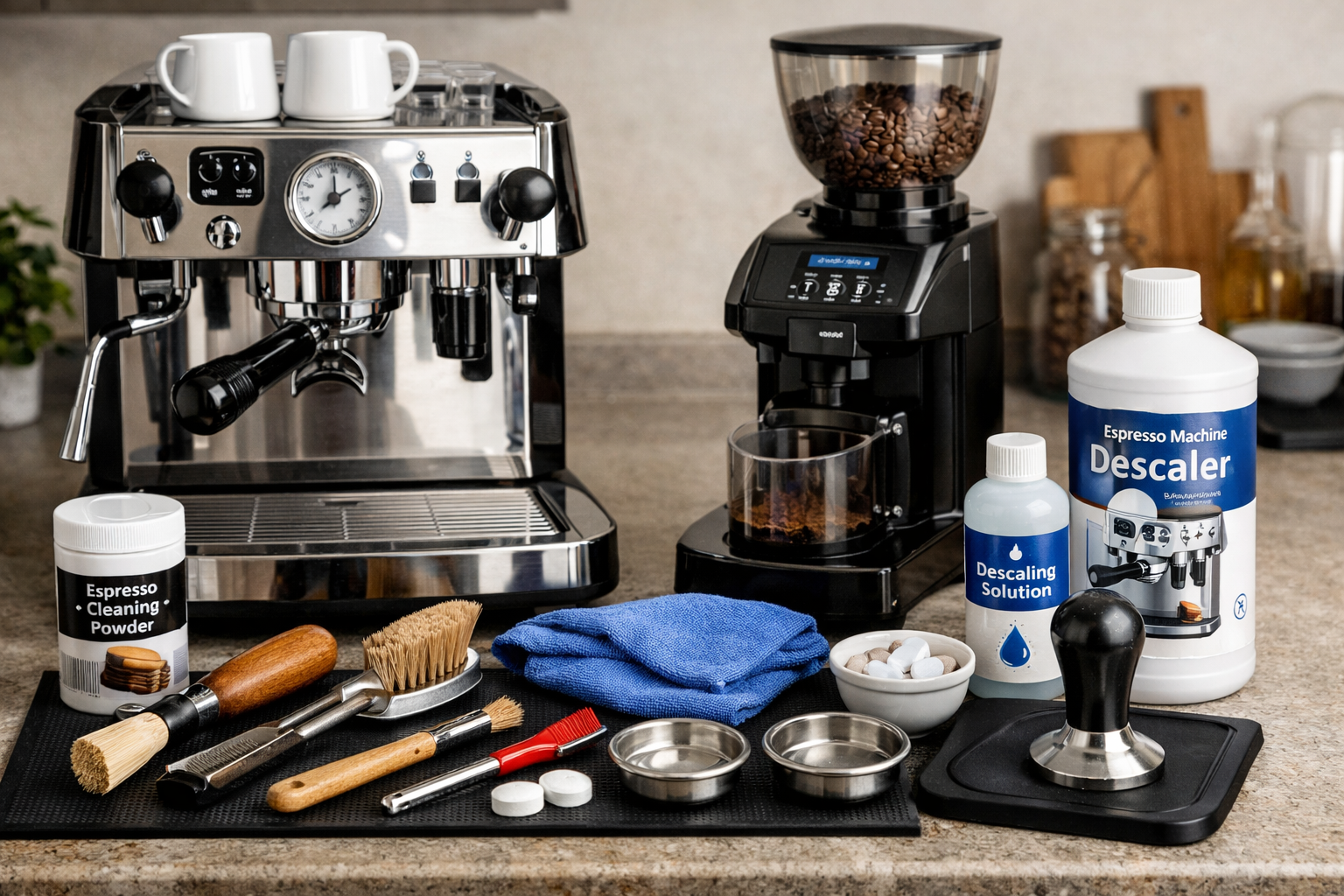
Service life depends on design, water chemistry, frequency of use, cleaning, replacement parts, and whether the machine is economically repairable. Avoid fixed “this type lasts X years” assumptions.
| Maintenance area | Hands-on / semi-automatic | Super-automatic |
|---|---|---|
| After brewing | Knock out puck, rinse basket/portafilter, wipe group area | Empty dreg bin/drip tray as needed; allow rinse cycle to complete |
| Milk | Purge and wipe steam wand promptly | Clean milk container/tubing/system according to manufacturer instructions |
| Internal coffee path | Backflush only on machines designed for it; clean group/basket per manual | Clean removable brew group where applicable; run required cleaning-tablet cycles |
| Scale control | Use appropriate water and descale according to manufacturer/water guidance | Follow machine prompts and manufacturer water/descale guidance |
| Repair profile | Machine, grinder, and accessories are separate service items | Grinder, brew unit, electronics, milk system, and hydraulics are integrated |
See the Espresso Machine Maintenance Schedule for a fuller maintenance framework.
Common Buying Mistakes
1. Comparing only machine price
A semi-automatic without a grinder is not a complete espresso setup. Compare total setup cost and daily workflow.
2. Calling every portafilter machine manual
A pump-driven Bambino and a lever-driven Flair are different experiences. Decide whether you want to control puck preparation only or brewing pressure as well.
3. Assuming super-automatic means zero cleaning
Automation moves work inside the machine. Milk systems, brew units, grinder paths, rinse cycles, dreg bins, and water systems still need attention.
4. Buying more control than you want to use
Extra adjustable variables are useful only if you are willing to measure, taste, and change them.
5. Buying more automation than you want
If experimenting with dose, yield, puck prep, pressure, or manual milk texture is part of why espresso interests you, a closed bean-to-cup workflow may feel limiting.
Troubleshooting by Machine Type
| Symptom | Hands-on setup: check first | Super-automatic: check first |
|---|---|---|
| Shot is thin or sour | Grind finer, verify dose/yield, improve puck prep, confirm brew-temperature workflow | Try a finer grinder setting if the manual permits, raise strength, reduce beverage volume, review temperature setting |
| Shot is harsh or bitter | Try coarser grind or shorter yield; consider roast and temperature | Try coarser grinder setting if appropriate, lower strength/temperature or adjust drink volume |
| Flow is extremely slow | Grind may be too fine; basket may be overdosed; machine may need cleaning | Grind may be too fine; brew path may need cleaning; follow machine diagnostics |
| Milk tastes stale/off | Clean and purge wand; use fresh milk | Disassemble and clean milk-contact parts per manufacturer instructions |
| Results vary day to day | Weigh dose/yield and keep puck prep consistent | Check beans/hopper, grinder setting, recipe profile, and cleaning status |
Current Comparison Summary
| Example | Actual category | Grinder | Workflow emphasis |
|---|---|---|---|
| Breville Bambino family | Semi-automatic | Separate | Hands-on puck prep with compact pump machine |
| Flair PRO 3 | Manual lever | Separate | Maximum manual involvement, including pressure |
| De’Longhi Magnifica Start | Super-automatic | Built in | Bean-to-cup convenience |
| Breville Barista Touch | Assisted semi-automatic | Built in | Guided portafilter workflow |
| KitchenAid KF8 | Super-automatic | Built in | Large automated drink menu |
Bottom Line: Choose the Amount of Espresso Work You Want
Picture an ordinary Tuesday morning rather than the first weekend with a new machine. If weighing coffee, adjusting a grinder, tamping, watching extraction, and steaming milk sound enjoyable, the hands-on path gives you room to learn. If those steps sound like obstacles between you and a cappuccino, a super-automatic is solving a real problem.
There is also a meaningful middle ground. Machines with integrated grinders, guided screens, automatic milk wands, or assisted tamping can reduce friction without fully enclosing the portafilter workflow. Decide which steps you want the machine to own and which steps you want to keep.
FAQs
What is the difference between manual, semi-automatic, and super-automatic espresso machines?
Do semi-automatic espresso machines need a separate grinder?
Are super-automatic espresso machines easier to use?
Can a semi-automatic machine offer more control than a super-automatic?
Where does the Breville Barista Touch fit?
Which type is better for milk drinks?
Which type is easier to maintain?
How should a beginner choose?
CoffeeGearHub espresso paths
Research the setup before choosing the machine
Use these verified internal guides to narrow the machine type and supporting gear before comparing current offers.
Continue Learning
In this guide